If you have seen PDRN meaning on a serum box or clinic menu and wondered what it actually stands for, you're not alone. I read labels for a living, and this is one of those ingredients that gets tossed around like everybody already speaks the language. The short version is simple: PDRN is a DNA-based ingredient that shows up mostly in skincare and some professional treatments, and the real story is in the formula around it, not just the buzzword on the front.
What PDRN meaning actually tells you
PDRN stands for polydeoxyribonucleotide, which is a mouthful that sounds far more technical than it is. In plain English, think of it as a purified DNA fragment ingredient rather than an acid, oil, or classic moisturizer. When I explain PDRN meaning to someone, I usually say this: it is a support ingredient, not a glamor ingredient. It is often discussed in the same breath as recovery, calming, and post-procedure care because it tends to appear in formulas meant to help skin look less stressed.
That does not make it magic. It does not replace sunscreen, it does not exfoliate like glycolic acid, and it does not function like a retinoid. It is more like one tool in a formula built to support a healthier-looking surface. If a product is promising a dramatic transformation from one ingredient alone, I would put the bottle back and keep reading.
Where PDRN shows up in real products
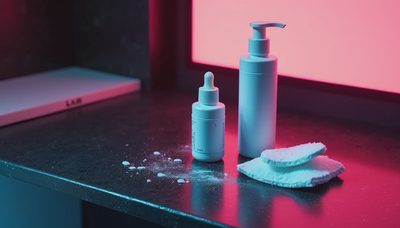
You will usually find PDRN in serums, ampoules, masks, and creams that are marketed for moisture, comfort, or post-treatment recovery. In some markets and clinics, it also appears in professional procedures, which is why people sometimes hear about it from a dermatologist, injector, or aesthetician before they ever see it on a shelf. Those are not the same thing as an over-the-counter cosmetic, and they should not be treated as interchangeable.
For topical products, price usually tells you more about packaging and positioning than about performance. A decent serum or ampoule can land somewhere in the $25 to $80 range, while professional treatments are much more expensive and vary a lot by city and provider. I also see PDRN paired with hyaluronic acid, panthenol, centella, peptides, and glycerin. That tells me the brand is aiming for a soothing, cushiony feel, not a harsh active routine.
PDRN meaning on a label
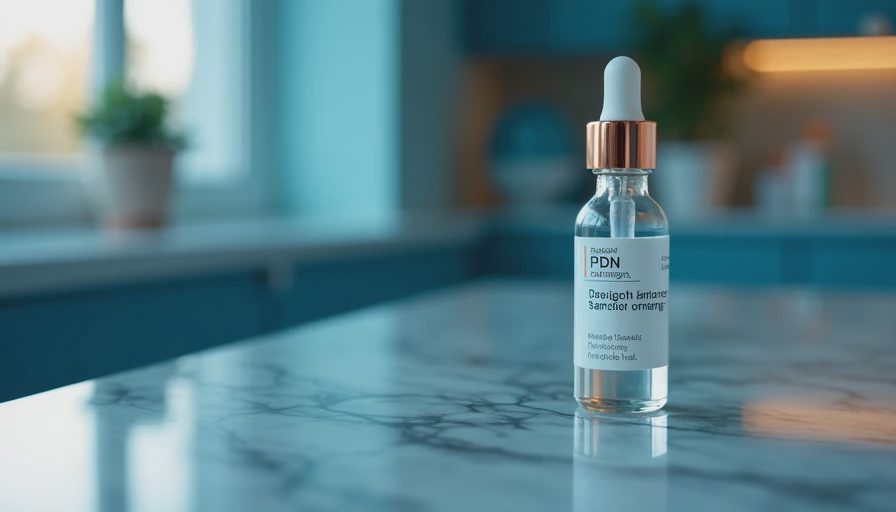
This is the part I wish more shoppers would do: ignore the front of the box for a minute and read the ingredient list. PDRN meaning on a label is only useful if you can find the actual ingredient name in the INCI list or understand how the brand is describing it. Depending on the product and market, the label may use the full technical name, a shorter PDRN callout, or a related DNA-based ingredient name. If the front says PDRN but the back is vague, that is your cue to slow down.
Look at where it appears in the list. Ingredients are generally listed from higher to lower concentration, so if PDRN or a related DNA ingredient is near the end, it is present at a lower level. That does not automatically make the product bad, but it does mean the formula is probably leaning on other ingredients for the main sensory or moisturizing effect. If fragrance is high on the list and your skin is reactive, that matters more than the trendy name on the front.
What it can do, and what it cannot do
A good PDRN formula can be useful when skin feels overworked, dry, or cranky from too many actives. People often like it in routines that are already built around gentle cleansing, hydration, and daily SPF because it fits that calmer style of care. The best case is usually a formula that makes skin feel more comfortable and look a little plumper, smoother, or less irritated over time.
What it cannot do is carry a weak formula by itself. If the rest of the product is packed with heavy fragrance, denatured alcohol, or random filler claims, the fancy ingredient will not save it. And if you are hoping for the kind of change you would get from prescription retinoids, in-office procedures, or consistent sunscreen use, this is not that lane. I like ingredients with a clear job, and this one does best when it is not asked to be everything at once.
Who should be careful
People with a fish allergy or strong sensitivity to marine ingredients should take a closer look at the source and talk to a clinician if they are considering a professional treatment. Topical products can still be a reasonable option for some shoppers, but anything used in a procedure deserves extra caution and a licensed provider. If your skin is very reactive, patch test first and start slowly, because even a well-made formula can feel too much if the rest of your routine is already aggressive.
I would also separate cosmetics from injections every time. A cream, serum, or mask is one category. A procedure is another. They do not have the same risk profile, and they should never be sold as if they do. If you are pregnant, breastfeeding, or dealing with a skin condition, keep the conversation simple and ask a clinician before adding any new active-focused product or treatment.
A simple shopping checklist
When PDRN meaning is still fuzzy, I use a quick shopping check that keeps me from buying the label instead of the formula. First, ask what problem you want the product to solve: dryness, irritation, post-procedure comfort, or just a more polished-looking routine. Second, decide whether you want a topical cosmetic or a professional treatment, because the price and risk level are not the same. Third, read the ingredient list and see whether the formula is built around soothing helpers like glycerin, panthenol, or hyaluronic acid, or whether the front-of-pack claim is doing all the work.
Fourth, match the texture to your skin type. A watery ampoule can be great for oily or combination skin, while a richer cream might suit someone who wants more cushion at night. Fifth, set a sane budget. For most shoppers, trying a topical product in the $30 to $60 range is enough to find out whether the ingredient fits without turning the purchase into a science project. And if you remember only one thing, remember this: read the label before you buy the bottle.
Once PDRN meaning is clear, the rest gets easier. You stop chasing the trend word and start judging the formula, which is where good skin care always wins.


No notes yet — write the first one.