If you've ever stood in front of a shelf and wondered what is petrolatum, the short answer is that it is a highly refined, semi-solid occlusive ingredient made from petroleum. In hair and skin products, it is there to slow water loss, smooth the surface, and give a product that classic sealed-in feel. That does not make it magical, and it does not make it dirty either. It just means the formula is built to sit on top of the hair instead of soaking in like water or acting like a conditioner.
What it is, in plain English
A lot of shoppers hear the word petroleum and picture something harsh or industrial. The cosmetic version is different. In the lab, what is petrolatum usually refers to the white or purified form that shows up on an ingredient deck as petrolatum or white petrolatum. It is odorless, stable, and excellent at creating a barrier. That is why it has been used for decades in ointments, lip products, hand creams, and old-school hair dressings. In the hair world, it is less about adding moisture and more about keeping the moisture you already have from escaping.
That is the part people often miss. When I explain what is petrolatum to friends, I tell them to think of it like a raincoat for the hair shaft. It does not feed the strand. It covers the strand. If your hair is dry, porous, color-treated, or constantly losing softness to dry air, that cover can be useful. If your hair is already fine, easily weighed down, or prone to buildup, the same coating can feel greasy fast. The ingredient itself is not the problem. The fit is the issue.
Many shoppers also assume every petroleum-derived ingredient behaves the same way. It does not. Petrolatum is not a light silicone, not a protein, and not a humectant like glycerin. It is a very strong sealant. That is why old-fashioned pomades, grease products, and some edge controls lean on it so heavily. If you want sleekness, shine, and less frizz, it can do that job well. If you want bounce and airy movement, it can be too much.
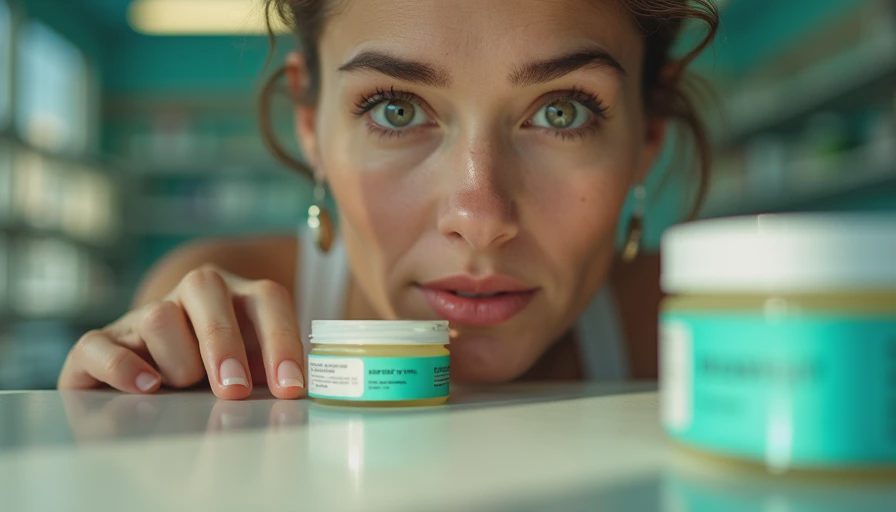
How it behaves on hair
When people ask what is petrolatum doing in a hair product, I usually answer with one sentence: it reduces how fast water leaves the strand. That simple action changes a lot. Hair feels softer because the outer layer is smoother. Ends look less fuzzy because there is less friction. Twist-outs and braid-outs can last longer because the style is protected from dryness. This is why it is so common in products meant for textured hair, protective styling, and very dry ends.
It also explains why a little goes a long way. Petrolatum is heavy. If a jar or pomade uses it near the top of the ingredient list, expect a product that behaves like a sealant or styling wax, not a lightweight leave-in. If it is used in a smaller amount, it may just help the formula feel richer and stay in place. I always tell readers to look at the first five ingredients first, because that is where the real personality of the product usually shows up.
If you are using a water-based leave-in, a cream, and then a small amount of petrolatum on top, the system makes sense. The watery product hydrates, the cream adds slip, and the petrolatum slows the escape of that moisture. That layered approach works especially well on coarse, curly, coily, or damaged hair. It is less useful if your routine is already heavy and you are trying to get more volume. In that case, the same seal can flatten everything down.
How to spot it on a label
The easiest way to decode what is petrolatum in a bottle is to read the INCI name. You may see petrolatum, white petrolatum, or petroleum jelly if the brand is using common naming on packaging or marketing copy. On the ingredient list itself, look for the exact word petrolatum. If it appears near the top, the product is built around it. If it appears near the end, it is probably there in a smaller supporting amount.
A few familiar products use it clearly. Vaseline Original Healing Jelly is the obvious example, and many traditional pomades, hair greases, and edge tames also rely on it. Some ointment-style products in the drugstore aisle use it as the main base because it is stable, inexpensive, and very effective at sealing. In other words, if the product feels slick, dense, and stubborn in the best possible way, petrolatum is often part of the reason.
This is also where shoppers get tripped up by fear-based marketing. A bottle that says oil-free, natural, or clean is not automatically better for hair that needs sealing. Likewise, a product with petrolatum is not automatically too heavy. The label tells you the job of the formula, not whether it is good or bad. If you know your hair stays frizzy by noon unless you use a sealant, the ingredient list becomes a useful tool instead of a guessing game.
When it helps, and when it feels wrong
What is petrolatum good for? Dry ends, winter static, highly porous hair, and styles that need a strong protective layer. It can be a very practical choice if you are stretching wash day and want to keep hair feeling soft for a few more days. It can also help reduce the rough, brittle feel that shows up when hair has been heat styled, color processed, or repeatedly exposed to dry air.
What is petrolatum not great for? Product build-up if you never clarify, limp roots on fine hair, and routines that depend on airy movement. If you use a lot of it, shampoo choice matters. A gentle cleanser might not remove a heavy coating as well as a stronger surfactant-based shampoo, and that is when hair starts to feel dull or coated. That is not a moral failure. It just means the formula is doing exactly what it was designed to do.
I also tell people not to confuse shine with hydration. A strand can look glossy and still be dry underneath the surface. Petrolatum creates that glossy look because it smooths and seals. That is valuable, but it should not be mistaken for the same thing as conditioning or moisturizing. If you want the best result, pair it with a water-based product first, then use the seal only where it earns its keep.

My quick shopping test
If you are still asking what is petrolatum doing in this product, run three quick checks. First, read where it sits on the ingredient list. Near the top means the formula is built around it. Second, ask whether you want sealing, or whether you actually want softness and slip without much residue. Third, think about your hair density and texture after one full wash cycle, not just how the product feels in your hand on day one.
That is the part I wish more brands explained clearly. A thick sealant is not a mistake if you need a thick sealant. A lightweight cream is not superior if your ends crack in dry weather by afternoon. The smartest routine is the one that matches the job. If you need protection, choose the ingredient that protects. If you need glide, choose the ingredient that glides.
So if your question is still what is petrolatum, here is the plain answer I would give at the counter: it is a refined occlusive that can be incredibly useful in hair care, especially for sealing and smoothing, but it works best when you know why you are using it. Read the label before you buy the bottle.

No notes yet — write the first one.