If you're shopping for skincare products with azelaic acid, the first thing I want you to know is that this is not a fluffy marketing ingredient. Azelaic acid has a real job. It can help calm visible redness, smooth rough acne-prone texture, and fade the leftover marks that hang around after a breakout. I like it because it lives in that useful middle ground between gentle and effective. It is not as dramatic as a peel, but it usually asks for less drama from your skin, too. That makes it a smart buy for people who want results without building a whole routine around one bottle.
What azelaic acid does in a formula
Azelaic acid is a dicarboxylic acid, which is a fancy way of saying it does more than one useful thing. It helps normalize how skin sheds, it has antibacterial activity that matters in acne routines, and it can calm the look of inflammation. In plain English, it helps unclog and settle skin at the same time. That is why dermatologists often reach for it when breakouts and redness show up together. Concentration matters, too. Over-the-counter formulas are often around 10 percent, while prescription versions commonly come in 15 percent or 20 percent. Higher is not automatically better if the base feels gritty, pills under moisturizer, or stings every night. The carrier formula decides how pleasant the bottle actually is.
How to compare skincare products with azelaic acid on the shelf
When I compare skincare products with azelaic acid, I read the label in this order: strength, texture, and the rest of the formula. The ingredient list will not always give you a clear percentage, but if azelaic acid is near the top and the brand names the strength, you can usually tell it is doing the heavy lifting. Suspensions tend to feel chalkier; creams spread more smoothly; gels dry down faster. A 10 percent suspension from The Ordinary, a 10 percent booster from Paula's Choice, or a prescription gel from a dermatologist can all be reasonable options, but they will feel very different on the face. If your skin is dry, look for ceramides, glycerin, squalane, or panthenol. If you're oily, a lighter gel can be easier to stick with.
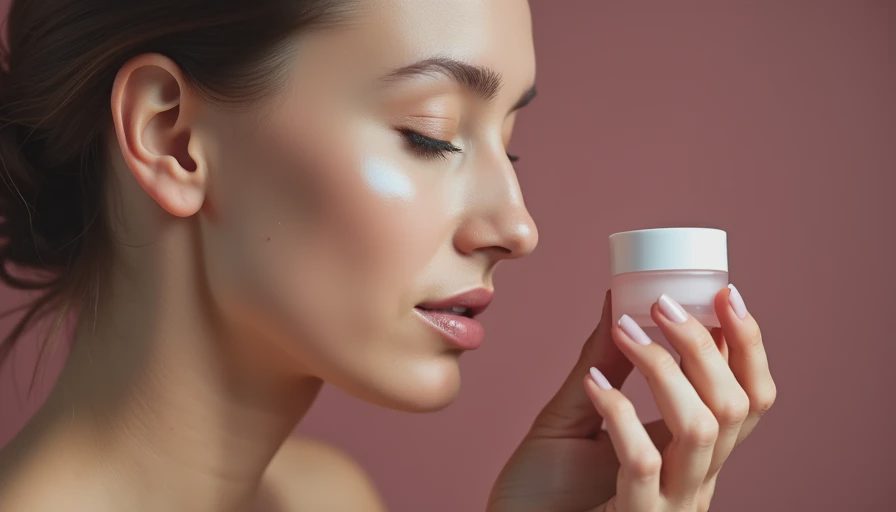
What I also watch for is whether the formula is trying to do too much. A little niacinamide is often helpful because it supports the skin barrier and can make a brightening product feel less sharp. Fragrance is less useful, especially if your skin already blushes easily or burns when you test new products. If the brand promises fast fading, I do not ignore the supporting cast in the formula. A stable, well-balanced base is usually what lets the active ingredient do its work without turning your face into a protest zone. That is the part most people miss when they shop by front label alone.
Who gets the most out of it
This ingredient shines for post-acne marks, uneven tone, and rosacea-prone redness. It can also help people who break out from heavy creams or sweat, because it earns its keep in routines that need one product to do several jobs. I would not choose it for the speed of a glycolic peel or the oil-stripping punch of salicylic acid. Think of it as a steadier worker. If you are dealing with stubborn acne, very persistent discoloration, or hot, angry flares, the ingredient can still play a role, but it should not be the only plan. Pairing it with a simple cleanser, a bland moisturizer, and daily sunscreen gives the bottle a fair chance to earn its shelf space.
How to use it without irritating your face
Start with a pea-sized amount at night two or three times a week, especially if your skin already reacts to retinoids or exfoliating acids. If the product pills, apply it before a heavier cream and let it sit a minute. If it stings for more than a few minutes, or your face stays red and tight the next morning, back off. I do not stack it with a strong scrub, a peel pad, and a retinoid on the same night unless your skin has already proved it can tolerate that routine. Sunscreen matters because fading marks is pointless if the sun keeps re-darkening them. This is one of those ingredients that rewards patience more than bravado.
Cream, gel, or prescription: what is worth buying
Serums and gels around $15 to $45 are the easiest entry point, and they are often enough for someone who wants to test tolerance before spending more. Creams in that same range can be more forgiving if you want a moisturizer feel. If your skin has not responded after eight to twelve weeks of consistent use, it is reasonable to ask a dermatologist about prescription strength. The pharmacy options are often more elegant than the old-school grainy suspensions, and the higher strengths can be useful for stubborn acne or rosacea. That said, the prettiest texture is not always the best buy. I would rather see a boring tube that you use every night than a pricey bottle that irritates you twice and lives in the cabinet.
A simple label-reading check before you buy
Before you put a bottle in your cart, check three things. First, find the azelaic acid percentage if the brand lists it; 10 percent is common on the shelf, and prescription products usually step up from there. Second, look at the supporting ingredients. Glycerin, ceramides, niacinamide, and panthenol are good neighbors. Third, read the texture clues. If the formula is a suspension, expect a drier finish. If it is a cream, expect more cushion. If you wear makeup, think about pilling and dry-down. Those little details matter more than the front-of-box promise, because the bottle only helps if you can live with it every day.
The best skincare products with azelaic acid are the ones you can use regularly without fighting the formula. That usually means a strength your skin can tolerate, a texture that fits your routine, and a base that does not leave you flaking or shiny in the wrong places. If you want a simple starting point, pick one well-reviewed 10 percent product, use it for a month, and judge the skin you see in the mirror, not the marketing claim on the carton. Read the label before you buy the bottle.

No notes yet — write the first one.