If you have seen hypochlorous acid spray on a shelf and wondered whether it is another buzzy mist or a genuinely useful bottle, here is the plain version: it is a simple spray built around a molecule the body already makes in immune responses. In consumer products, it is usually sold as a skin-friendly refresh spray for faces, bodies, and sometimes scalps that get sweaty, irritated, or just need a clean reset between wash days. I like ingredients that can explain themselves on the label, and this one usually does. The key is knowing what it can do, what it cannot do, and how to spot a formula worth the money.
What hypochlorous acid spray is, and what it is not
Think of it as a water-light antimicrobial mist, not a miracle treatment. A hypochlorous acid spray is usually made with water, hypochlorous acid, and sometimes sodium chloride or a pH adjuster. It is not the same thing as bleach, even though both come from chlorine chemistry. In a well-made bottle, the strength is low, the scent is mild, and the goal is to cleanse skin without the sting you get from harsher astringents. If a bottle promises to fix acne, dandruff, and body odor all at once, I get skeptical.
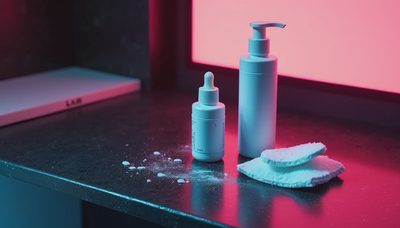
A hypochlorous acid spray bottle should read like a short ingredient list, not a chemistry lecture. If the front label is loud but the back label is vague, I would pass. The simplest formulas usually work best because there is less to irritate skin or scalp.

How to read the label without getting fooled
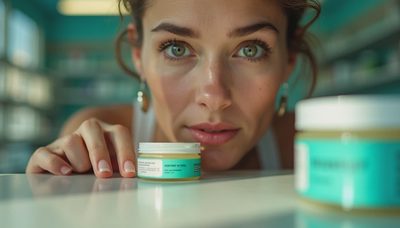
Start with the ingredient list, then look at the package. A good spray is usually short on extras: no heavy fragrance, no dye, and no oily ingredients that turn a mist into a film. Dark or opaque packaging is a plus because light can make unstable formulas less reliable over time. If the bottle is clear and sitting in a hot store window, I would not pay premium pricing for it. Companies often hide behind marketing language instead of stating concentration plainly. That is why the back label matters more than claims about being dermatologist-tested or clean. If you are choosing between two bottles, the one with fewer distractions and a straightforward ingredient panel usually wins.
I also pay attention to smell. A faint, nearly absent scent is normal; a strong chemical odor is not a selling point. Store it away from heat, and do not leave it in a car where summer temperatures can cook the formula before you finish the bottle. A boring label is a good sign.
Where it fits in a routine
In a routine, hypochlorous acid spray works best as a reset, not as the main event. I would use it after a workout, after a sweaty commute, or on skin that feels sticky but does not need a full wash yet. Some people also like it on the hairline or scalp when wash day is not practical, especially if the goal is to freshen the skin at the roots rather than coat the hair. Use it on clean skin or after a gentle cleanse, then let it dry before layering anything thicker on top. It plays well with a simple moisturizer, but it is not a replacement for cleanser, shampoo, or prescription treatment.
If your skin is already angry from over-exfoliation, shaving, or friction, think support, not rescue. A few sprays can be helpful, but if the area burns, oozes, or gets worse, that is the point to stop and get medical guidance. Good skin care should feel boring in a good way.

What a good formula looks like
The best bottles are usually the ones that do not try too hard. I like a formula that is fragrance-free, simple, and sold with clear directions for face, body, or scalp use. A lot of consumer sprays sit around low percentages that are meant for repeated use, not aggressive disinfecting, so do not assume a stronger number is better. More is not the goal here; stable and usable is. If a brand gives you a refill pouch or a sensibly sized bottle, that is often a better buy than a fancy glass vessel with a marketing story attached. I have seen this ingredient used in products from skincare brands like Tower 28 and Briotech, and the pattern is the same: short formulas, light feel, and a focus on soothing the routine rather than transforming the skin overnight.
Price-wise, many bottles land in the low teens to low twenties, with larger refills often offering better value per ounce. If the bottle is tiny and expensive, ask what you are paying for besides the mist. Sometimes you are buying packaging, not performance.
Common mistakes and what to expect
The biggest mistake is expecting a hypochlorous acid spray to behave like a cure-all. It will not exfoliate, moisturize, or replace shampoo, and it is not the product I would reach for if the problem is persistent dandruff, deep acne, or a true skin infection. Another common mistake is overusing it just because it feels gentle. If a product is meant to be a light reset, let it stay light. One or two layers is enough. If you notice stinging, redness that lingers, or the formula makes your skin feel tight, stop and move on. Gentle products can still be wrong for a specific person, and that is not a moral failure. It just means the bottle is not for you.
When I am standing in front of the shelf, I ask three questions: Is the ingredient list short, is the packaging designed to keep the formula stable, and is the price fair for a simple mist? If the answer to all three is yes, hypochlorous acid spray earns a spot in the cabinet. If not, save your money for a cleanser or moisturizer that does more work. The goal is not excitement; it is a bottle you can finish without regretting the purchase.


No notes yet — write the first one.