sodium c14-16 olefin sulfonate: what it does in shampoo and who it suits
If you have ever turned a bottle around and spotted sodium c14-16 olefin sulfonate, you were looking at a cleansing surfactant, not a mystery filler. I like to think of it as the ingredient that gives shampoo enough grip to break through scalp oil, dry shampoo, silicone serum, and a week of styling residue. It shows up in formulas that need more cleaning power than a co-wash, but not necessarily the exact same feel as a classic sulfate shampoo. That difference matters if your hair gets weighed down fast, or if you are trying to figure out why one wash leaves you fresh and another leaves you squeaky.
What it is, in plain English
sodium c14-16 olefin sulfonate is an anionic surfactant, which is the lab way of saying it helps water grab onto oil and rinse it away. It is built from olefin feedstocks with carbon chains in the C14 to C16 range, and in a finished shampoo it usually plays the role of the main cleaner. When you see rich foam, fast rinse-off, and that very clean scalp feeling, this ingredient is often doing a lot of the heavy lifting.
That does not automatically mean the formula is harsh. A good cleanser is only one part of the recipe. Brands often pair it with amphoteric surfactants like cocamidopropyl betaine, plus humectants such as glycerin or panthenol, to keep the wash from feeling too stripped. The final experience depends on the whole formula, not just the one ingredient people tend to blame or praise.
Why formulators choose it over a milder cleanser
When I was writing shampoo formulas, this was the ingredient we reached for when the brief said, “It has to really clean.” Think oily scalps, gym bags, dry shampoo buildup, hard water residue, or styling products that cling to the hair shaft. A lightweight cleanser can spread nicely but still leave behind enough residue to make fine hair collapse by day two. This cleanser clears that kind of buildup more aggressively, which is why it shows up in clarifying shampoos, volumizing shampoos, and some body washes and facial cleansers too.
Another reason formulators use it is cost and performance. It gives strong cleansing at a relatively practical price point, so it can anchor a drugstore formula or support a salon formula that needs a deep-clean moment in the lineup. If you compare a creamy moisturizing shampoo with a reset shampoo meant for once-a-week use, the difference in the cleanser system is usually obvious in the way the hair feels after rinsing.

Who usually gets along with it
If your hair gets oily by lunch, if you use leave-in cream every day, or if you rely on gel, wax, mousse, or silicone serum, this cleanser can be a good fit. Fine hair often likes a formula that removes buildup completely, because even a little residue can make it look flat. Swimmers and people who exercise a lot also tend to appreciate a stronger cleanser because chlorine, sweat, and styling products can stack up quickly.
I am much more cautious with very dry, bleached, or tightly curled hair that already struggles with moisture retention. That does not mean the ingredient is forbidden; it means frequency matters. A once-a-week reset is different from an everyday wash. If your hair feels rough after cleansing, you are not imagining it. You may simply be using a stronger formula more often than your hair wants.
How to read the rest of the label
When I scan a shampoo bottle, I do not stop at the first cleanser I see. I look at what surrounds it. If the formula also includes conditioning agents like polyquaternium-10, guar hydroxypropyltrimonium chloride, or a lightweight silicone, the wash can feel smoother even when the cleanser itself is strong. If I see glycerin, aloe, panthenol, or fatty alcohols, that tells me the maker tried to soften the post-wash feel.
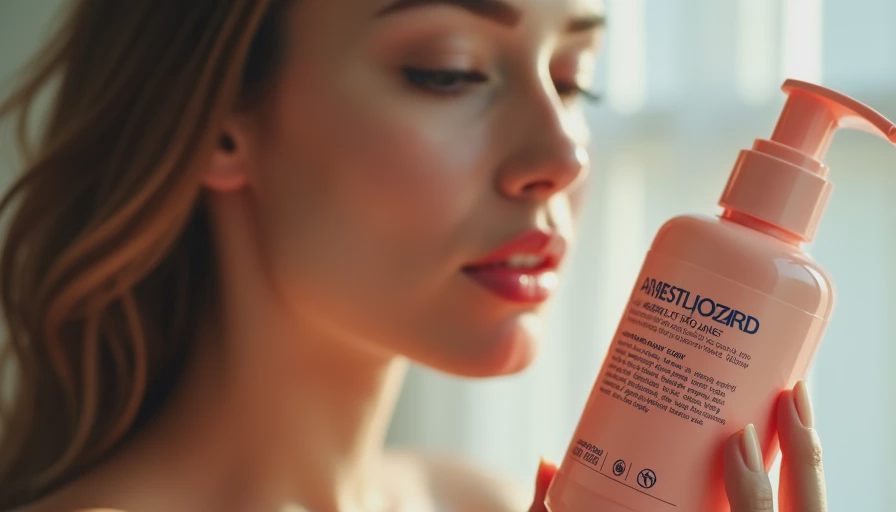
I also pay attention to the product claim on the front. Words like clarifying, detox, deep clean, volume, or reset usually mean the formula is meant to remove more buildup than a daily moisturizing shampoo. That is not bad; it is just a clue. A bottle can say “gentle” and still clean hard if the formula supports it, so the ingredient list tells the real story better than the marketing panel does.
A simple wash-day test that tells you a lot
If you are curious but not ready to commit, test it on a day when your hair can tolerate a real reset. Shampoo once, let it sit for half a minute, rinse well, and follow with conditioner on the mid-lengths and ends. If your scalp feels clean but your lengths still feel soft enough to detangle, that is a good sign. If your hair turns into a knot factory or feels straw-like before you finish rinsing, the formula is probably too strong or too frequent for your routine.
This is also where pattern matters. A person who washes twice a week and uses a light leave-in may love this cleanser once every few washes. A person who uses heavy cream, multiple stylers, and lots of dry shampoo may need it more often. When you match the wash to the buildup, the whole routine gets easier to manage.
The bottom line for shoppers
Here is the part I wish more labels would say plainly: sodium c14-16 olefin sulfonate is a strong cleanser, not a bad ingredient. It earns its place when hair needs a real reset, and it can be exactly right for oily, product-heavy, or fine hair that loses volume fast. It is less friendly when your strands already feel dry, fragile, or overprocessed, especially if you use a formula like that every time you wash.
So do not buy it by fear, and do not buy it by buzzwords either. Read the label before you buy the bottle. If the shampoo has a strong cleanser system, supportive conditioning ingredients, and a use case that matches your hair, it may be doing exactly what you need. If not, leave it on the shelf and keep looking.


No notes yet — write the first one.