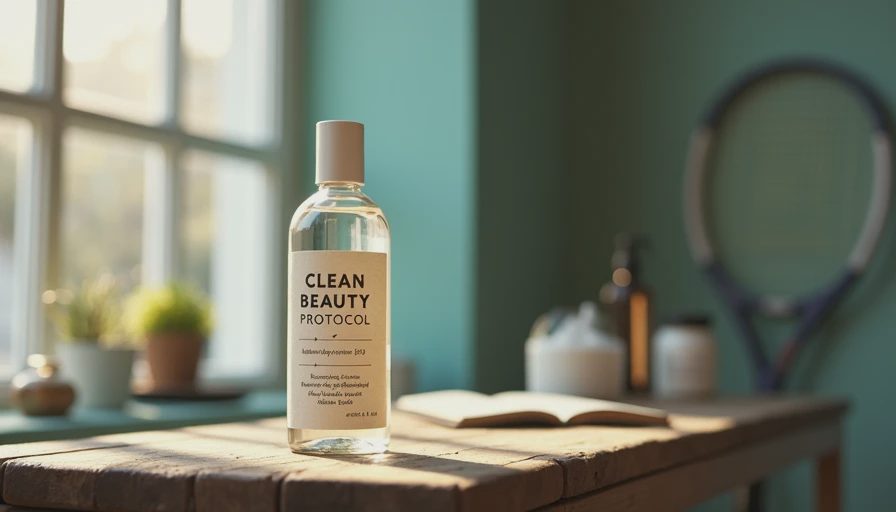
“Clean beauty” has become one of the most powerful phrases in personal care. It appears on labels, in marketing campaigns, and in endless social media recommendations. Like most powerful phrases, it contains both useful instincts and significant overreach.
I worked on formulas during the years when clean beauty moved from a niche concern to a mainstream expectation. I saw ingredients removed, replaced, and sometimes quietly returned under different rationales. The movement is not empty. It is also not a complete or always accurate guide to what makes a product good for your hair.
What clean beauty gets right
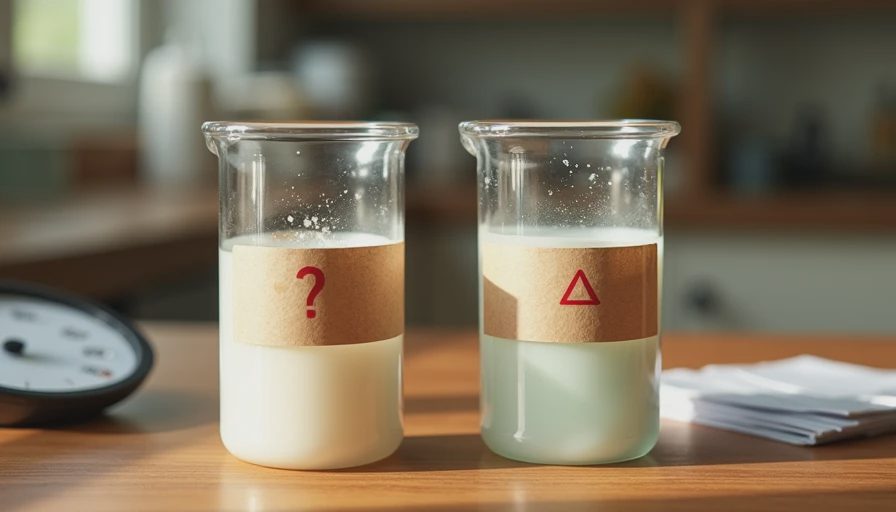
At its best, clean beauty pushed the industry to examine ingredients more carefully and to communicate more transparently. Several of its core instincts are sound.
It increased scrutiny of ingredients that had simply been used by habit. Some older preservatives, fragrance materials, and conditioning agents carried legitimate questions about sensitization, environmental persistence, or cumulative exposure. Asking whether a material is still the best choice is a reasonable formulator’s question. Clean beauty made that question harder to ignore.
It also created pressure for clearer labeling and shorter, more understandable ingredient lists in some categories. Consumers began looking past the front of the bottle. That habit is valuable regardless of whether one accepts every clean-beauty claim.
Finally, it elevated the idea that products should be assessed not only for immediate performance but for broader considerations — skin and scalp tolerance, environmental impact, and long-term patterns of use. Those are legitimate dimensions of product design.
Where it loses the plot
The movement runs into trouble when it substitutes category bans for nuanced evaluation. Declaring an entire class of ingredients — sulfates, silicones, parabens, “synthetic” chemicals — as universally unacceptable ignores how ingredients actually behave in finished formulas and on hair.
Concentration, combination, and context matter. A surfactant that is irritating at high levels in a leave-on product may be perfectly appropriate in a rinse-off shampoo used once or twice a week. A silicone that builds up under certain conditions can also provide useful smoothing and protection under others. Treating the ingredient name as a moral category rather than a functional material leads to substitutions that are not always improvements. Some “clean” alternatives are less effective, less stable, or more sensitizing for certain people.
Clean beauty also tends to over-value natural origin while under-valuing the data that exists on many well-studied synthetic ingredients. Natural does not automatically mean safer or more compatible with hair. Synthetic does not automatically mean harmful. The relevant questions are about the specific material, its use level, its role in the formula, and the evidence available on its safety and performance.
Marketing language has further blurred the useful parts of the movement. “Clean” has no single regulatory definition in most markets. The word can mean almost anything a brand wants it to mean. This vagueness makes it harder for consumers to distinguish meaningful reformulation from simple repositioning.
A more useful way to evaluate products
Rather than asking whether a product is “clean,” it is more practical to ask narrower questions:
What is this ingredient doing in the formula?
At what approximate level is it likely present?
Is the product rinse-off or leave-on?
How does my own hair and scalp respond to it over time?
These questions keep the focus on function and individual response instead of on belonging to an approved or disapproved list. They also leave room for the reality that a well-formulated product can contain ingredients that some clean-beauty lists reject and still be mild, effective, and appropriate for regular use.
Holding both truths at once

Clean beauty got several important things right: greater scrutiny, more attention to tolerance and environmental questions, and a cultural shift toward reading labels. Those are lasting contributions.
It loses clarity when it replaces evaluation with prohibition, treats natural origin as a proxy for safety, or allows a marketing term with no fixed meaning to stand in for evidence. The most useful response is not to accept the movement uncritically or to dismiss it entirely. It is to keep the useful instincts — curiosity about ingredients, attention to how products actually perform on your hair — and to let go of the parts that oversimplify.
The label still matters more than the claim on the front of the bottle. Reading it with a focus on function, context, and your own results will take you further than any single word, including the word “clean.”
Read the label before you buy the bottle.

No notes yet — write the first one.