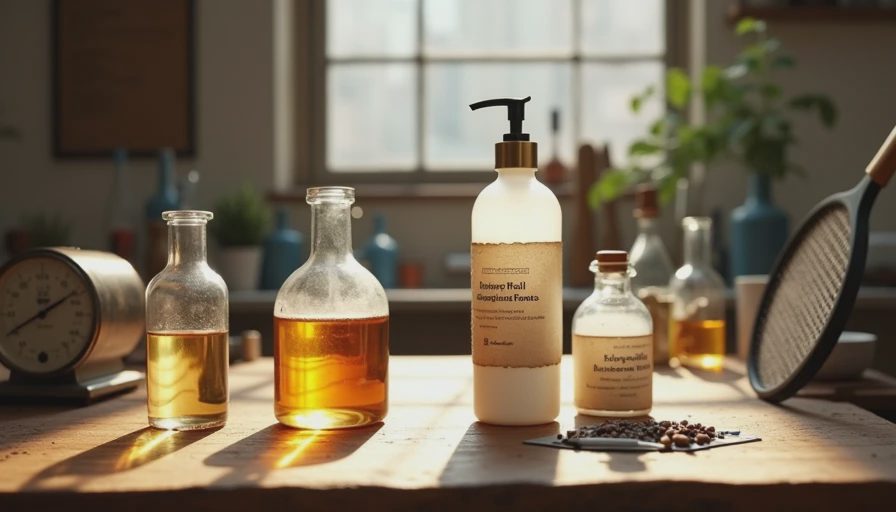
Most people meet a shampoo for the first time on a store shelf or in an online photo. By that point the formula has already lived a long, quiet life that the label never mentions. Understanding that path from laboratory bench to finished bottle changes how you read claims, prices, and ingredient lists.
I spent years inside that process. Here is what actually happens.
It starts with a brief, not a bottle
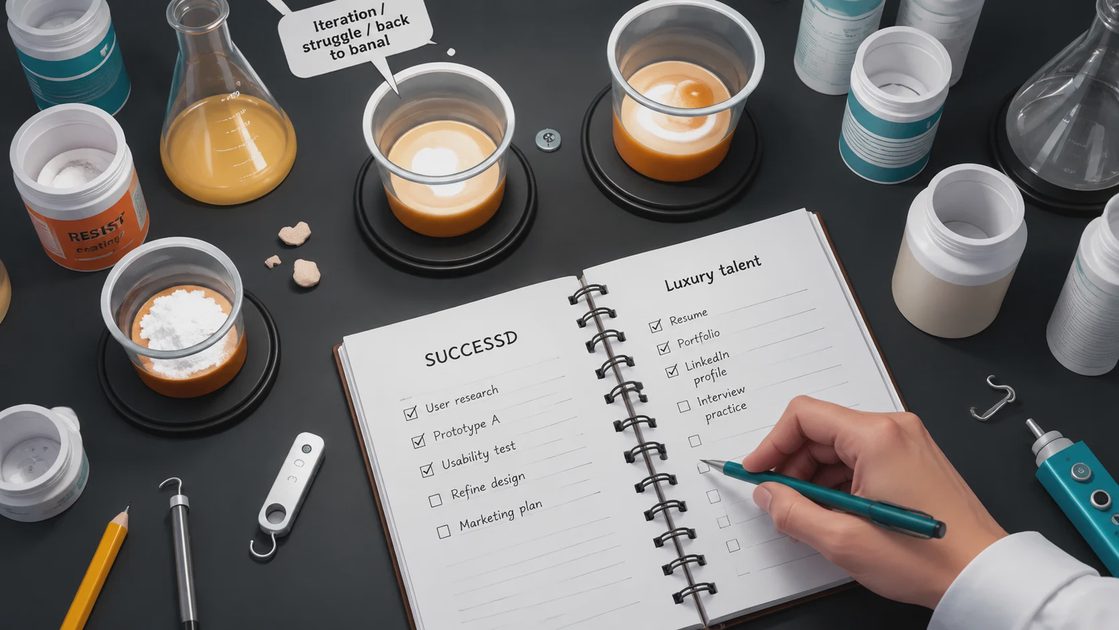
Every formula begins with a request. Sometimes the brief is practical: create a gentle clarifying shampoo that still leaves hair soft. Sometimes it is driven by marketing: make something that feels more “premium,” smells like a current trend, or can support a new clean-beauty claim. The formulator’s job is to turn those words into a stable, manufacturable mixture that performs on hair.
The first versions are made in small batches on the lab bench — often just a few hundred grams. We weigh each ingredient in a precise order, heat or cool as required, adjust pH, and evaluate texture, lather, rinse-off, and both wet and dry feel. Early prototypes are rarely right. One version may clean well but feel stripping. Another may feel luxurious but separate after a week. Most of the early work is iterative: small changes followed by another round of testing.
Stability testing is the quiet filter

Once a prototype performs acceptably in the lab, it enters stability testing. Samples are stored at elevated temperature, cycled between hot and cold, and exposed to light. We check whether the viscosity holds, whether the fragrance shifts, whether the color changes, and whether the preservative system continues to protect the formula. A product that looks perfect on day one can fail at three months. Stability failures send the formula back for revision. This stage is unglamorous and essential; it is also one of the main reasons some promising lab ideas never reach the shelf.
Scale-up changes the formula in subtle ways
If the formula survives stability, it moves toward scale-up. Making twenty kilograms is different from making two thousand. Mixing times, shear forces, heating and cooling rates, and the order in which ingredients are added can all behave differently in larger equipment. The process has to be adjusted so the factory can produce a consistent result batch after batch. Ingredients that were easy to source in lab quantities must now be available at commercial scale and acceptable cost. Substitutions sometimes happen here, and they can subtly change performance even when the ingredient list looks the same.
Manufacturing and packaging are part of the formula
Only after these steps does the mixture become a product that can be filled into bottles, labeled, and shipped. Quality control checks continue during manufacturing: appearance, viscosity, pH, fragrance, and microbial limits. Packaging itself is part of the system. A formula that is stable in a laboratory glass jar may interact differently with a particular plastic or pump. Compatibility testing is another quiet gatekeeper that most consumers never see.
The invisible constraints
Throughout the process there are pressures that do not appear on the ingredient list. Cost targets limit how much of an expensive conditioning agent or botanical extract can be used. Marketing may request a certain texture or a claim that requires specific ingredients at specific levels. Regulatory requirements differ by market and can restrict or require particular materials. None of these factors automatically make a product bad, but they do shape what is possible. The finished formula is almost always a set of negotiated decisions rather than a pure expression of ideal performance.
Why this matters when you read the label
This is why two shampoos can list similar ingredients and still behave differently. The percentages, the exact grade of each material, the order of addition, the processing conditions, and the preservation system all matter. It is also why “water first” is normal, why some products feel richer than their price suggests, and why a change in fragrance or packaging can sometimes affect the formula more than consumers realize.
When you turn a bottle around and read the ingredient list, you are looking at the final, public version of a long series of choices. The list does not show the failed prototypes, the stability samples that separated, or the cost discussions that limited a particular ingredient. It does show the materials that survived that process and made it into the version you can buy.
Knowing the path from bench to bottle will not tell you whether a given shampoo is right for your hair. It will, however, make the label less mysterious. The product in your hand is not a simple mixture thrown together. It is the result of repeated testing, adjustment, and compromise. Reading it with that context makes the information on the package more useful.
Read the label before you buy the bottle.

No notes yet — write the first one.