If you keep seeing hemisqualane from sugarcane on a serum or leave-in, you are looking at one of the quieter workhorses in modern haircare. It does not shout from the bottle, but it can change how a formula feels: lighter glide, less tack, softer ends, and a finish that is easier to live with. In the lab, I always liked ingredients like that, because the best one is often the one a person uses all the way to the bottom.
What hemisqualane from sugarcane is and why formulators like it
Hemisqualane from sugarcane is a lightweight emollient, which means it helps hair feel smoother and more flexible without the heavy coat that some oils leave behind. On labels, you may also see it listed as C13-15 alkane, depending on the product and how the supplier names the ingredient. That tells me the formula is usually aiming for slip, spread, and a dry-touch finish rather than a rich, greasy one.
When I read a formula and see hemisqualane from sugarcane, I think about three things right away. First, it tends to help the product spread farther, so you do not need a thick layer to get coverage. Second, it can make a serum feel cleaner on fine hair than coconut oil, castor oil, or a butter-heavy cream. Third, it plays well with modern styling formulas that want shine without turning the hair limp. It is not a repair ingredient in the strict sense, and it will not glue split ends together, but it can absolutely make the hair look more polished while you are wearing it.
If you have ever opened a bottle and thought, "This is nice, but why does it sit on my hair?" that is often the problem this ingredient helps solve.
What it feels like on hair
The reason people end up liking hemisqualane from sugarcane is simple: it disappears in a good way. It gives slip when you are detangling, but once the hair is dry, the finish usually stays light. That makes it useful for a few different jobs. On fine hair, it can keep a leave-in from feeling like a film. On wavy or curly hair, it can help with frizz control without crushing the shape. On straight hair, it can tame static and make ends look neater after a blowout.
I also like it in heat-styled routines because it can make the styling step feel smoother without the slick, coated sensation some heavier oils leave behind. If a product includes a little silicone, a little polyquat, and a little hemisqualane from sugarcane, you often get a very usable finish: soft, controlled, not sticky. That is the kind of formula that wins repeat buyers, because it solves a daily annoyance instead of promising a miracle.
The one place I would not expect magic is very damaged hair that needs real conditioning support. In that case, you still want the usual cast of helpful ingredients: conditioners, fatty alcohols, proteins if your hair likes them, and a rinse-out mask when the ends are rough.
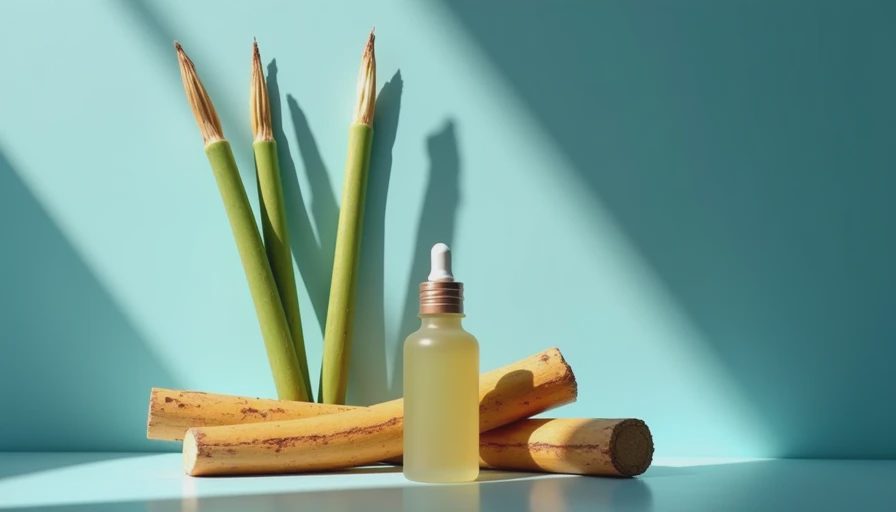
How to spot it on a label
This is where the shopping gets easier. If the front of the bottle says smooth, light, or weightless, do not stop there. Flip the product around and scan the ingredient list. Hemisqualane from sugarcane may appear as hemisqualane, C13-15 alkane, or a closely related name depending on the brand’s labeling style. If it is near other lightweight emollients and styling aids, you are probably looking at a formula designed for feel first, not just shine.
I tell people to read the ingredient list in layers. If the formula starts with water and then moves into conditioning agents, that is usually a leave-in or cream. If it includes alcohol denat., light esters, and a small amount of this ingredient, the product is probably trying to dry fast and leave less residue. If you see heavier butters and oils high on the list, the finish will usually be richer, even if the label says "lightweight." The bottle front is marketing; the ingredient list is the part that tells the truth.
Another clue is the price point. You can find these formulas in the drugstore aisle for under $20 and in salon-style products around $25 to $40. The price does not guarantee performance, but it often tells you how much the brand spent on the rest of the formula around the ingredient.
Which formulas benefit most
The most useful products for this ingredient are the ones where slip matters more than bulk. Think leave-in conditioners, blow-dry creams, anti-frizz serums, finishing oils, and sometimes heat protectants. In those formats, hemisqualane from sugarcane can lower the drag you feel when you comb through damp hair or smooth the last inch of a blowout.
It is especially good in products aimed at people who hate the old-school oil slick. If a serum has ever made your roots flat by lunchtime, a lighter formula may suit you better. If your hair is curly and you need definition without crunch, this ingredient can help the product spread evenly so you get softer separation instead of clumps that feel coated. If your hair is color-treated, it can also help the surface look more reflective, which is one reason it shows up in glossing products and anti-frizz serums.
What it does not replace is moisture strategy. A lightweight emollient can make a formula more elegant, but it does not stand in for conditioning agents, water, or good aftercare. If your hair is thirsty, you still want a product with real conditioning support behind the shine.
What to buy if you want more slip and less grease
If your main complaint is heavy product buildup, hemisqualane from sugarcane is worth seeking out in formulas that promise a light finish. I would start with products for fine hair, blowouts, or everyday frizz control, then read the label before you trust the front of the package. If the ingredient sits alongside lighter conditioners and not a long list of butters, waxes, and dense oils, that is usually a better bet for a clean, touchable result.
If you prefer a richer feel, you do not need to avoid it; just understand what it is doing inside the formula. In a richer cream, it can keep the product from feeling greasy while the other ingredients do the heavier work. In a lighter spray or serum, it can give you shine and combability without much weight. That flexibility is why formulators reach for it. It helps a product feel more expensive without relying on a thick, oily finish.
My practical advice is simple: choose the formula that matches your day-to-day problem. If your hair needs tame flyaways before work, buy the light one. If you need softness after bleaching or heat styling, buy the version with more conditioning support. And if you are comparing two bottles on a shelf, hemisqualane from sugarcane is one of the ingredients I would happily take in either a drugstore or salon formula, because it usually tells me the brand cared about texture, not just claims.
The easiest way to think about it is this: if you want smoother hair without the oil-slick feeling, this ingredient is a smart place to start. Read the label before you buy the bottle.


No notes yet — write the first one.