I used to think a glycerin moisturizer was just a plain lotion with a chemistry-sounding name. After years of writing formulas, I can tell you it is usually the quiet workhorse in the bottle. Glycerin pulls water toward the outer layer of skin, which is why the right product can make a dry face feel less tight, a rough hand feel smoother, and even a frizzy hair routine behave better. The catch is that the rest of the formula matters just as much as the ingredient itself.
That is where most people get misled by front-of-pack claims. A bottle can brag about being rich, soothing, or hydrating, but the real story is on the ingredient list. A good moisturizer is not just one hero ingredient; it is a mix of humectants, emollients, and sometimes occlusives that help water stay where you want it. If you live in a dry climate, sit under office air conditioning all day, or come out of a winter shower feeling like your skin is already thirsty again, this is the kind of bottle worth learning to read.
The easiest way to shop is to ignore the marketing language for a minute and look at texture, ingredient order, and the ingredients sitting next to glycerin. A lighter lotion can be right for oily or humid days. A thicker cream makes more sense for cracked hands, cold weather, or anyone who wants less evaporation after cleansing. Once you know what to look for, you stop buying by vibe and start buying by formula.

What a glycerin moisturizer actually does
A glycerin moisturizer works because glycerin is a humectant. That means it attracts and holds water. In plain English, it helps the outer layer of skin keep a little more moisture around instead of losing it so fast. In a good formula, glycerin is usually paired with ingredients that smooth the skin surface, such as fatty alcohols, ceramides, petrolatum, dimethicone, or shea butter. That pairing matters. Glycerin by itself can bring water in, but the rest of the formula helps keep that water from escaping right away.
This is why two products with the same ingredient can feel completely different. One bottle may feel light and slippery, another richer and more cushiony. Both can be useful. A face cream for combo skin does not need the same body as a hand cream for winter cracks. I also see this difference in hair care, where glycerin can help a leave-in feel more flexible, but the surrounding conditioners decide whether the result is soft, puffy, or greasy. The ingredient is simple; the formula is doing the real work.
How to read a glycerin moisturizer label
Start with the ingredient order. In most US cosmetic labels, ingredients are listed from highest to lowest concentration until the level gets very small. If glycerin is near the top, the formula probably leans on it as a major humectant. If it is farther down the list, it is still doing something, but it is probably one piece of a larger moisture system. That does not make the product bad. It just tells you what role glycerin is playing.
After that, look for the supporting cast. Ceramides and cholesterol point to barrier support. Petrolatum, mineral oil, and dimethicone help slow water loss. Squalane and plant oils can make the finish feel smoother. Fragrance is a separate question: if your skin gets irritated easily, a fragrance-free option is usually easier to live with. Brands like CeraVe, Vanicream, Eucerin, and La Roche-Posay all sell versions that use glycerin in different ways, from light lotions to denser creams.
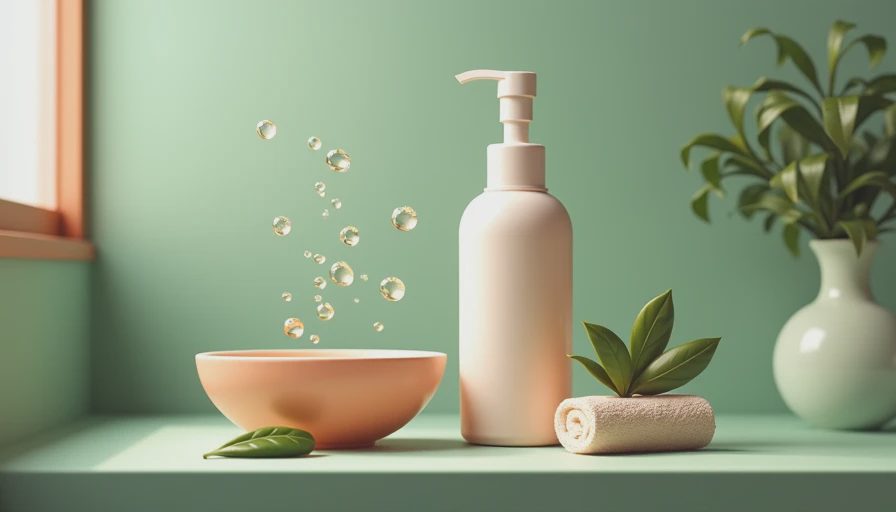
When a glycerin moisturizer works best
This kind of formula shines when the air is dry, the skin has just been washed, or you need a product that can soften without feeling waxy. Right after a shower is often the best time to apply it, because slightly damp skin gives humectants more water to work with. In winter, many people do better with a cream that combines glycerin with a richer occlusive layer. In summer or humid weather, the same person may prefer a lighter lotion that disappears faster.
For hair, the logic is similar. A leave-in with glycerin can help curls feel less brittle and can reduce the rough look of dry ends, especially when the rest of the formula includes conditioners that smooth the cuticle. In very dry air, though, a high-glycerin product can sometimes feel sticky or make hair less defined. That is not because glycerin is bad. It is because the formula was built for a different level of moisture in the air. Climate changes the outcome.
Common mistakes that waste your money
The most common mistake is expecting one bottle to fix every problem. If your skin barrier is already angry, a humectant alone is not enough. You may need a cream with more occlusives so water does not evaporate as quickly. Another mistake is applying too little. A thin, hurried swipe is not the same as a proper layer. For hands, especially after washing, you usually want enough product to leave a visible film for a minute or two before it sinks in.
People also get tripped up by texture. A gel can feel refreshing and still hydrate well, but it will not behave like a dense cream on flaky elbows. On the other hand, a thick jar can be too much for someone who hates residue. Match the finish to the job instead of chasing the prettiest packaging. If you are sensitive, patch test new products on a small area first, especially if fragrance or plant extracts are involved.
A quick glycerin moisturizer shopping checklist
If you want a simple way to choose, start with your use case. For face, look for glycerin plus ceramides or dimethicone if you want a calm, steady feel. For body, choose a cream rather than a thin lotion if you are dealing with winter dryness, frequent handwashing, or rough patches on elbows and shins. For hair, look for a leave-in or cream where glycerin sits inside a conditioning base, not by itself in a watery spray that vanishes in ten minutes.
Price does not have to be dramatic. Drugstore options in the $10 to $18 range can be excellent if the formula is balanced. Mid-range creams in the $18 to $30 range often buy you a nicer texture, not necessarily better hydration. If a product costs more, make sure you are paying for something real: a better finish, fewer irritants, or a formula that solves a specific problem. The smartest move is still the same one I learned in the lab and use at the store every week: read the label before you buy the bottle.



No notes yet — write the first one.