A silicone based moisturizer can make dry, frizzy hair feel smoother within seconds, but the label does not tell the whole story. As a former haircare formulator, I learned that silicones are neither miracle ingredients nor automatic villains. Their performance depends on the specific silicone, the rest of the formula, and how often you apply it. The useful question is not whether a product contains silicone. It is what that silicone is doing for your hair.
What a silicone based moisturizer actually does
Hair is not living skin. Once a strand grows beyond the scalp, it cannot repair itself biologically. A conditioner or leave-in product can improve its surface, reduce roughness, and make damage less noticeable, but it cannot permanently rebuild a split end. This is where a silicone based moisturizer earns its place.
Silicones are a family of ingredients built around silicon and oxygen atoms. In hair products, they spread over the cuticle and create a very thin, flexible film. That film can reduce friction between strands, help hair glide through a brush, add shine, and slow the escape of water from the fiber. Ingredients such as dimethicone, amodimethicone, dimethiconol, and cyclopentasiloxane do not behave exactly alike, so treating every silicone as identical is a label-reading mistake.
A silicone based moisturizer usually combines that smoothing film with humectants, emollients, or conditioning agents. Glycerin can attract water, fatty alcohols can add softness and body, and cationic conditioners can cling to damaged areas. The silicone then helps create a smoother finish. In plain language, one group helps manage moisture while another improves feel and protection.
I used to see shoppers reject a perfectly sensible formula because the front label said “silicone.” I understand why: buildup, dullness, and dryness are common complaints online. But many problems blamed on silicone actually come from applying too much product, using a heavy formula on fine hair, or never cleansing thoroughly enough for the person’s routine.
How to read the ingredient list
Start near the top of the INCI list. Ingredients are generally listed in descending order by weight until the formula reaches very small amounts. If dimethicone appears near the beginning, expect a richer coating and more slip. That can be helpful for coarse, curly, bleached, or frequently heat-styled hair. On fine hair, it can feel heavy if the product is used daily.
Amodimethicone is interesting because it is often designed to deposit more readily on damaged areas. It may provide conditioning without coating every strand equally. You will commonly see it paired with a cleansing or conditioning system that helps control deposition. Cyclopentasiloxane is a lightweight, volatile silicone that spreads easily and then evaporates, leaving a less greasy finish. It is popular in serums and heat-protection products.
Do not stop reading after the silicone. Look for the formula’s supporting cast. Behentrimonium chloride and behentrimonium methosulfate are conditioning ingredients, though the latter is not the same thing as a harsh sulfate cleanser. Cetyl alcohol and stearyl alcohol are fatty alcohols that can make a conditioner creamy and softening. Panthenol, propanediol, and glycerin can support hydration, while oils such as argan or sunflower may add emollience.
The phrase “moisturizing” on the bottle is not a guarantee of deep hydration. A silicone based moisturizer may make hair feel moisturized because it improves lubrication and reduces roughness. That is still valuable, but it is a sensory and protective effect rather than water being permanently added to the strand.
Choosing the right formula for your hair
For fine, straight hair, choose a light spray, serum, or leave-in with volatile silicones or a modest amount of amodimethicone. Use one or two pumps from the ears downward, not at the roots. Too much rich cream can flatten volume and make the scalp area appear oily even when the scalp itself is clean.
For thick, curly, or highly porous hair, a creamier silicone based moisturizer may be more useful. Look for conditioning agents, fatty alcohols, and a silicone high enough in the list to provide noticeable slip. Apply to soaking-wet or damp hair, then distribute with your fingers or a wide-tooth comb. Curly hair often benefits from even coverage because friction during detangling can create breakage.
For bleached or heat-styled hair, focus on products that combine conditioning with thermal protection. A silicone film can reduce the direct friction and uneven heat contact associated with brushing or styling, but no product makes high temperatures harmless. A flat iron used at excessive heat can damage hair despite an excellent formula.
If your hair feels coated, try less product before abandoning the ingredient. Reduce the amount by half, apply only to the ends, and wash with your normal shampoo. If that does not help, use a stronger cleansing shampoo occasionally, provided your hair and scalp tolerate it. “Clarifying” is not a magic category; different products remove different amounts of oil, styling residue, and deposited conditioning material.
Common mistakes with silicone products
The first mistake is confusing smoothness with repair. A silicone based moisturizer can temporarily seal a rough-feeling surface, but it cannot fuse a split end. Trimming remains the reliable way to remove severe splitting. The second mistake is assuming that every product labeled silicone-free will be lighter. Some silicone-free formulas use heavy oils, waxes, or rich polymers and can feel just as substantial.
Another mistake is layering several products without tracking what each one contributes. A leave-in conditioner, curl cream, oil, and finishing serum may all contain film-forming ingredients. The result can be beautiful on wash day and limp two days later. Try one primary leave-in, then add a small amount of serum only where the ends need extra slip.
People also sometimes apply a silicone based moisturizer to the scalp because the word moisturizer sounds soothing. Most hair serums and leave-ins are intended for the lengths, not the scalp. If your scalp is itchy, flaky, painful, or persistently dry, adding a cosmetic coating may obscure the issue rather than solve it.
A simple label-reading routine
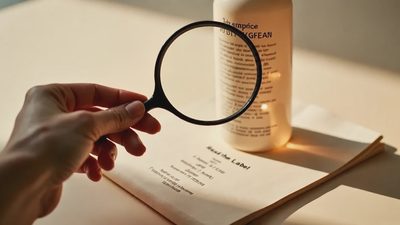
Before buying, answer four questions. First, where will the product go: scalp, lengths, ends, or all over? Second, does your hair need slip, softness, volume, or frizz control? Third, is the formula lightweight enough for your strand thickness? Fourth, can your regular cleansing routine remove the residue comfortably?
Then compare two or three products by their first ten ingredients rather than by packaging claims. A $9 drugstore leave-in can be better suited to your hair than a $35 salon product if the balance of conditioners, humectants, and silicones is right. Brand prestige does not change how an ingredient behaves on a strand.
For a practical test, apply the same small amount of a silicone based moisturizer to one section of clean, damp hair and leave another section untreated. Compare detangling, drying time, shine, and next-day weight. Repeat the test on two wash days. One application can be misleading because humidity, water temperature, and styling technique all affect the result.
The bottom line from the formula bench
A silicone based moisturizer is best understood as a tool for managing feel, friction, shine, and surface protection. It can be especially helpful for porous, damaged, curly, or heat-styled hair, while fine hair usually needs a lighter hand. The ingredient name alone cannot tell you whether a product is good or bad.
Read the full label, match the formula to your hair’s texture and routine, and watch how your hair behaves over several washes. If a product gives you easier detangling and comfortable softness without unwanted weight, it is doing useful work. If it leaves a film you dislike, adjust the dose or choose a different silicone system instead of reacting to the entire category. Read the label before you buy the bottle.


No notes yet — write the first one.