Fragrance free shampoo and conditioner can be a sensible choice if scented products leave your scalp itchy, tight, or unpleasantly warm. It can also help anyone who simply wants a shorter, easier-to-read ingredient list. I spent eight years developing hair products, and I learned that the phrase fragrance free is useful, but not quite a complete buying strategy. The label still tells you whether the formula cleans well, conditions enough, and suits your hair type.
The first thing to know is that fragrance is not the same as cleanliness. Scent does not remove oil, improve detangling, or repair damage. It is mainly there to create a sensory experience, from a citrusy shower to the familiar smell of a salon. If your scalp reacts to scented products, fragrance free shampoo and conditioner removes one common variable while you work out what your hair actually needs.
What fragrance free really means on a label
In the United States, cosmetic labeling does not give shoppers one universal, detailed definition for every use of the term fragrance free. In practical terms, a product marketed this way is generally formulated without added fragrance ingredients. That usually means no parfum, fragrance, essential oil blend, or perfuming extract intended primarily to create scent.
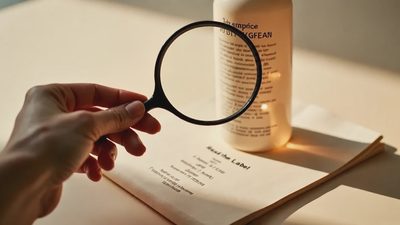
Read the full ingredient list anyway. A product can have a noticeable natural smell from raw materials such as plant oils, botanical extracts, or cleansing agents without containing added perfume. Natural does not automatically mean non-irritating. Peppermint oil, eucalyptus oil, lavender oil, and citrus oils can still bother some scalps, especially when the skin barrier is already dry or compromised.
Also separate fragrance free from unscented. Unscented products may contain odor-masking ingredients that reduce the smell of other raw materials. If you are avoiding scent because of sensitivity, look for clear wording and scan the INCI list rather than relying only on the front label.

How to read the shampoo formula
A shampoo needs a cleansing system, water, conditioning support, preservatives, and ingredients that make the product pleasant to use. The cleansing system is usually near the top of the list. Common surfactants include sodium lauryl sulfate, sodium laureth sulfate, cocamidopropyl betaine, sodium methyl cocoyl taurate, and decyl glucoside.
None of these ingredients tells the entire story by itself. Sodium lauryl sulfate can provide strong cleansing and rich foam, which some oily scalps appreciate. A gentler formula with betaine or taurate surfactants may feel better on a dry scalp, but gentleness is not identical to effectiveness. If you use heavy styling creams, dry shampoo, or silicone-rich treatments, an extremely mild cleanser may leave buildup behind.
Look for clues in the rest of the label. Glycerin, panthenol, aloe, and certain conditioning polymers can improve feel without making shampoo heavy. Clarifying agents, chelators such as disodium EDTA, and stronger detergents may be helpful occasionally if hard water or styling residue is a problem. A formula does not have to be expensive to be well designed; I have seen excellent drugstore products and disappointing prestige products.
Choosing conditioner for your hair type
The conditioner half of fragrance free shampoo and conditioner should make combing easier and reduce friction between wet strands. Ingredients such as behentrimonium chloride, behentrimonium methosulfate, cetrimonium chloride, fatty alcohols, and silicones often do that work. Fatty alcohols, including cetyl and stearyl alcohol, are not the same as drying alcohols such as ethanol. They give a conditioner its creamy texture and help hair feel smoother.
Fine hair often needs a lightweight product with a modest amount of oils, butters, or heavy film-forming ingredients. Coarse, curly, bleached, or heat-damaged hair may need richer conditioning and more slip. If your hair becomes flat within hours, apply conditioner from the ears down and rinse thoroughly. If ends feel rough after washing, use more product on the last few inches rather than spreading a large amount across the scalp.
Silicones deserve a calm reading, not a panic reaction. Dimethicone and amodimethicone can reduce friction, protect the feel of damaged hair, and improve shine. They are not automatically bad or permanently trapped on the hair. Whether they work for you depends on the rest of your routine and how often you cleanse.
A simple shopping method that works
When comparing fragrance free shampoo and conditioner, start with your scalp rather than the trendiest claim. An oily scalp may need a more efficient shampoo and a light conditioner. A dry or reactive scalp may do better with a mild cleanser, lukewarm water, and fewer styling products. Hair texture matters too, but scalp comfort should be addressed first because conditioner usually belongs on the lengths, not directly on irritated skin.
Next, check the first ten to fifteen ingredients. Identify the main surfactants in the shampoo and the main conditioning agents in the conditioner. Then scan for ingredients you already know cause trouble. Do not remove five products from your routine at once; you will not know which change helped.
Try one new product for several washes unless you experience burning, swelling, hives, or significant irritation. Stop using it and seek medical advice for severe or persistent symptoms. For ordinary troubleshooting, take notes on scalp comfort, oiliness, tangling, frizz, and how your hair feels the following morning.
Common mistakes with fragrance-free routines
The most common mistake is assuming fragrance free means hypoallergenic. A formula can exclude perfume and still contain preservatives, surfactants, proteins, botanical extracts, or other ingredients that an individual does not tolerate. The second mistake is choosing a shampoo that is too mild for the amount of oil and product buildup present. Hair can feel coated, dull, or difficult to wet even when the scalp is not irritated.
Another mistake is washing aggressively to compensate. Scrubbing harder, using very hot water, or shampooing repeatedly can leave the scalp feeling tighter. Start with enough water to saturate the hair, emulsify shampoo between your palms, and massage the scalp with your fingertips. Let the lather travel through the lengths as you rinse instead of piling the hair on top of your head.
Finally, do not judge a conditioner only by immediate softness. A very rich formula can feel luxurious in the shower but leave fine hair limp. A lighter formula may seem less dramatic while giving better volume and easier styling over several weeks.
Build a routine you can actually evaluate
A practical routine can be simple: shampoo the scalp when it feels oily or dirty, condition the mid-lengths and ends, and use a separate clarifying wash only when buildup is evident. If you exercise often, sweat itself is not a reason to strip the hair repeatedly; use your scalp and hair feel as the guide. A microfiber towel, wide-tooth comb, and lower heat setting can sometimes improve results more than another bottle.
If you are buying fragrance free shampoo and conditioner for a household, remember that one formula may not suit every person. A teenager with an oily scalp, a parent with color-treated hair, and someone with coarse curls can reasonably need different products. Compare labels, prices, and bottle sizes instead of assuming the premium option is superior. Many effective formulas cost about $8 to $18 per bottle, while salon products often cost $25 or more without guaranteeing a better match.
The best purchase is the one that cleans your scalp adequately, leaves your lengths manageable, and does not create a reaction. Read the label before you buy the bottle; the front panel starts the conversation, but the ingredient list finishes it.

No notes yet — write the first one.