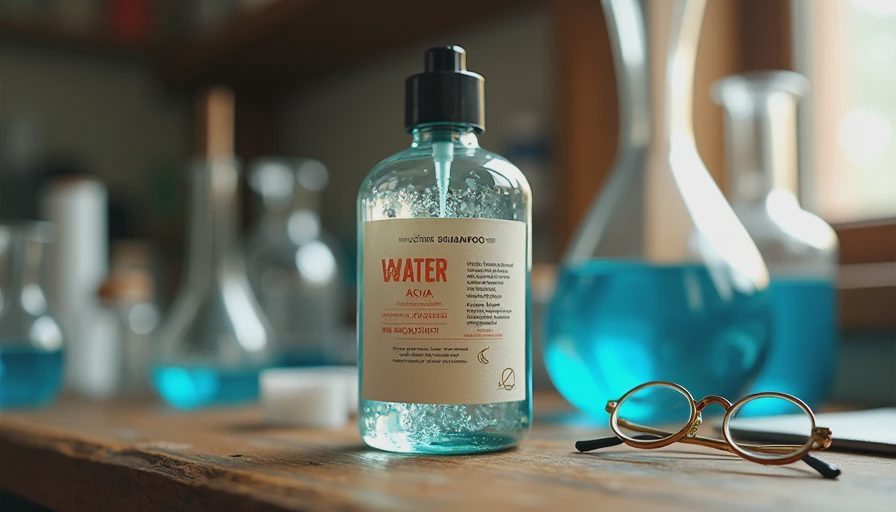
Open almost any shampoo bottle, turn it around, and look at the ingredient list. The first word you will see, in the overwhelming majority of cases, is water.
This fact bothers some people. They read “water” at the top and assume the product is diluted, cheapened, or somehow less effective than it could be. In formulation, the opposite is usually true. Water is not a filler that sneaks in because the brand ran out of better ideas. It is the foundation the rest of the formula is built on.
Why water comes first
Ingredient lists are required to appear in descending order of concentration. Whatever is present at the highest percentage must be listed first. In a typical shampoo, that ingredient is water, often making up 70–85% of the formula by weight.
There are practical reasons for this. Most of the cleansing agents, conditioning ingredients, preservatives, and fragrance components used in shampoo need a liquid medium to dissolve or disperse evenly. Water is an excellent solvent for the surfactants that actually clean the hair and scalp. It also allows the product to spread easily through wet hair, which is the condition under which shampoo is designed to be used. Without enough water in the formula, the product would be difficult to distribute, hard to rinse, and far less effective at doing its job.
Water also keeps the cost and the texture in a range that people will actually use. A shampoo that was mostly concentrated surfactants would be harsh, expensive, and unpleasant to apply. Diluting those active materials to a usable level is not a compromise; it is how the product becomes functional for daily or regular use.
What “water first” does not mean
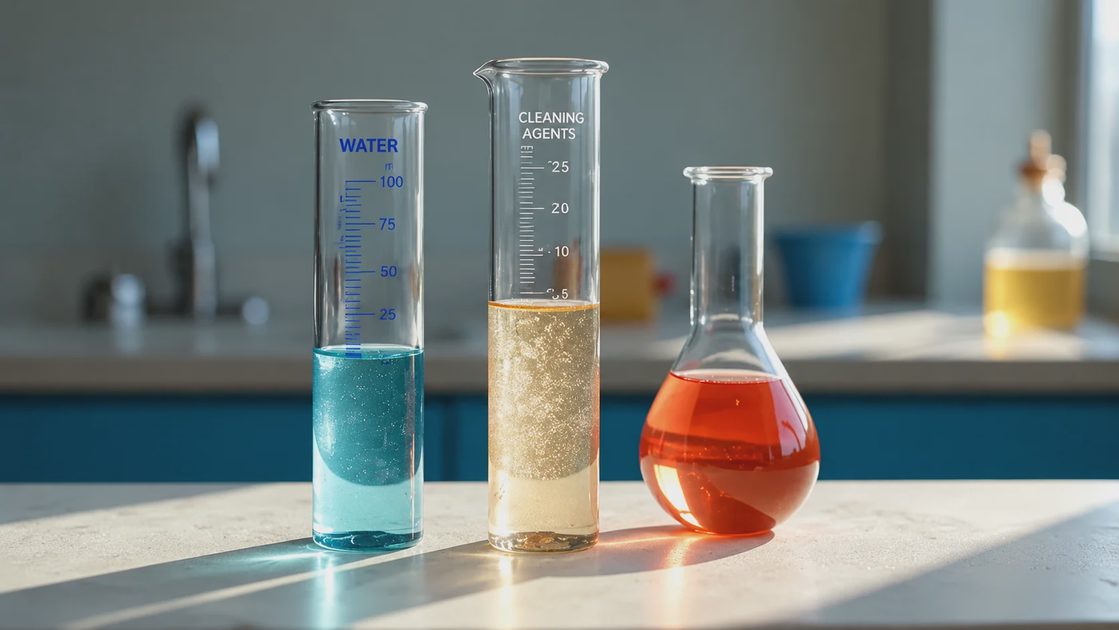
It does not mean the shampoo is weak. The percentage of water tells you almost nothing by itself about cleansing power, mildness, or quality. Two shampoos can both list water first and perform very differently depending on which surfactants follow, at what levels, and in what combination with other ingredients.
It also does not mean the brand is cutting corners. Even high-end and professional formulas are water-based. The difference between a basic shampoo and a more sophisticated one usually lies in the choice and balance of the ingredients that come after water, not in the removal of water itself.
There are rare exceptions. Solid shampoo bars, some concentrated formats, and anhydrous (water-free) products will not list water first because little or no water is present. These are deliberate design choices with their own trade-offs in texture, application, and preservation. They are the minority for a reason: most people still prefer a liquid that lathers and rinses in the shower.
How formulators actually think about water
In the lab, water is treated as a functional ingredient, not an afterthought. We adjust its level to control viscosity, to ensure the surfactants stay in solution, and to leave room for the conditioning and care ingredients that prevent the shampoo from feeling stripping. Too little water and the formula can become unstable or unpleasant to use. Too much, and you may not have enough active material to clean effectively. The target range is the result of testing, not guesswork.
Preservatives are also part of this picture. Because water-based products can support microbial growth, a properly preserved shampoo is essential. The presence of water is exactly why preservation systems exist and why they matter.
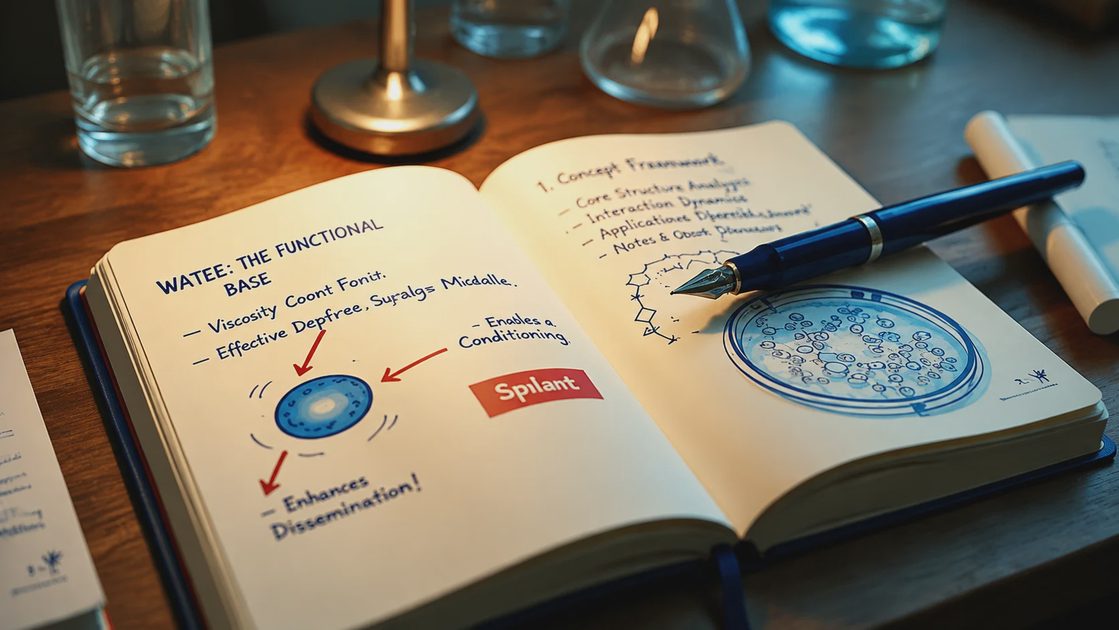
A more useful way to read the label
Instead of stopping at the word “water,” keep reading. The next several ingredients will tell you far more about how the shampoo is meant to behave. Look for the primary surfactants (often something ending in “sulfate,” “sulfoacetate,” “glucoside,” or “betaine”), any conditioning agents, and the overall complexity of the list. That information is where differences in performance actually live.
Water first is not a red flag. It is the normal, expected starting point for a product designed to be used on wet hair in the shower. The interesting decisions begin with whatever comes second, third, and fourth.
Read the full list. The first ingredient simply gets the formula wet enough to work.
Read the label before you buy the bottle.

No notes yet — write the first one.