If you have ever seen a shiny, sealed bandage in a first-aid kit and wondered what is an occlusive dressing, the short answer is simple: it is a covering designed to limit air and liquid exchange between a wound and the outside environment. Unlike a basic gauze pad, it creates a more closed space over the skin. That design can be useful, but it is not automatically right for every scrape, blister, burn, or surgical incision.
I think of wound coverings the same way I think of personal-care formulas: the label and the situation matter more than the marketing promise. A dressing is a tool, not a cure. The right choice depends on the type of wound, its amount of drainage, its location, and whether a clinician has given you specific instructions.
What does occlusive mean in wound care?
In wound care, occlusive means substantially blocking the passage of air, moisture, and outside contaminants. Some products are completely sealed, while others are semi-occlusive and allow limited vapor movement. Transparent adhesive film, hydrocolloid patches, and certain specialized wound dressings can all provide varying degrees of occlusion.
What is an occlusive dressing doing beneath that covering? It is helping maintain a moist wound environment. That does not mean the wound should be wet or soggy. A balanced amount of moisture can support the natural movement of skin cells across the wound surface. It can also prevent a dressing from drying onto the wound, which makes removal more uncomfortable.
Occlusion may also create a barrier against friction, water splashes, and everyday contact. A transparent film lets you inspect the area without removing the covering, while a hydrocolloid patch absorbs some fluid and forms a gel over the wound. These products are not interchangeable, even though they may look similar on a store shelf.
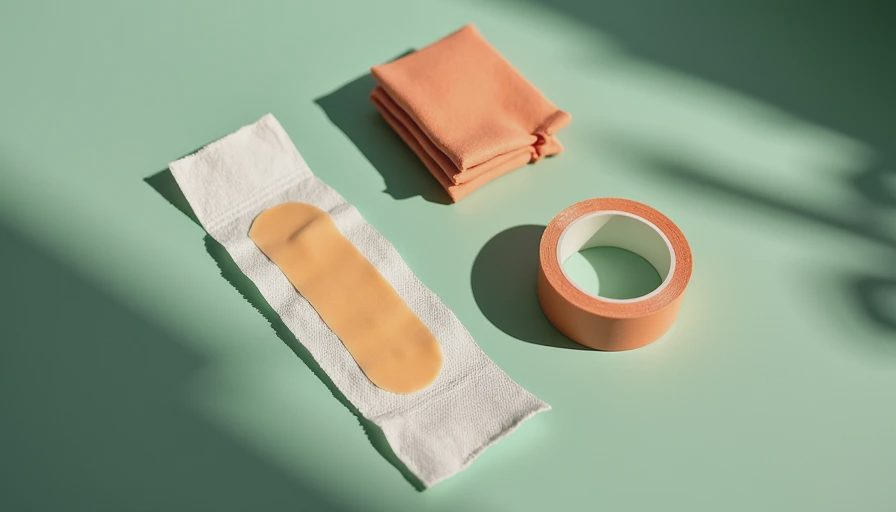
How an occlusive dressing works
A useful way to understand what is an occlusive dressing is to picture a temporary controlled environment. The adhesive border keeps the covering in place, and the central material separates the injured skin from rubbing, dirt, and repeated touching. Depending on the product, the dressing may also retain warmth and moisture at the surface.
That environment can be helpful for a shallow, clean wound with limited drainage. For example, a small abrasion from a fall or a minor blister may feel better when protected from a shoe strap or clothing seam. A transparent film can work well over an IV site or a small superficial wound when a healthcare professional recommends it.
The covering should not be treated as a way to hide a problem. If fluid is collecting underneath, the skin around the adhesive is becoming pale and soft, or the dressing is lifting, the product may need attention. A sealed dressing that stays in place for too long can trap drainage and make it harder to notice changes in the wound.
When an occlusive dressing can be appropriate
An occlusive dressing is generally most useful for a clean, minor wound that is not heavily bleeding, deeply contaminated, or producing a large amount of fluid. It can protect a scraped knee from friction, cover a small superficial cut after bleeding has stopped, or cushion a friction blister. Some hydrocolloid products are also designed for minor blisters and shallow wounds, but always follow the package directions.
Clean the area as directed, usually with clean running water and mild soap around the wound. Pat the surrounding skin dry so the adhesive can grip. Do not put household glue, alcohol, hydrogen peroxide, or strong antiseptics into a wound unless a clinician specifically tells you to do so. These products can irritate healing tissue.
What is an occlusive dressing not intended to replace? It is not a substitute for stitches, professional cleaning, antibiotics when prescribed, or treatment of a serious burn. A deep cut, puncture wound, animal bite, infected wound, or wound with embedded debris needs medical evaluation rather than a cosmetic-looking cover.

How to apply one safely
Start by washing your hands. Read the package because adhesive films, hydrocolloids, and waterproof postoperative dressings have different instructions. Choose a size that extends beyond the wound onto intact, dry skin. The adhesive should not sit directly on the injured center unless the product is specifically designed for that purpose.
Apply the dressing without stretching it tightly. A tight seal can pull on the skin, restrict comfortable movement, or cause irritation. Smooth the border gently, then check that the wound is not being squeezed and that nearby fingers or toes remain their normal color and temperature.
Change the dressing according to the product directions or the schedule provided by your clinician. Replace it sooner if it becomes loose, soaked, dirty, or visibly filled with drainage. When removing an occlusive dressing, peel slowly from the edge while supporting the surrounding skin. If it is stuck to the wound, dampening the dressing may help, unless your care instructions say otherwise.
Common mistakes to avoid
One frequent mistake is placing a sealed cover over a wound that has not been cleaned. Occlusion does not disinfect skin. Another is applying a patch over thick ointment, lotion, or wet skin; the adhesive may fail, and the trapped product can irritate the area. A third is assuming that waterproof means permanent. Even a strong film needs inspection and replacement.
Watch the skin around the adhesive as well as the wound itself. Redness shaped like the border, itching, blisters, or a burning sensation can indicate irritation or an adhesive allergy. Remove the product and ask a healthcare professional or pharmacist about alternatives if the reaction continues.
What is an occlusive dressing doing if the wound is worsening underneath it? It is concealing the change, which is why routine inspection matters. Never use a dressing to postpone care when symptoms are escalating.
When to call a healthcare professional
Seek prompt medical advice for spreading redness, increasing warmth, swelling, worsening pain, pus, a bad odor, red streaks, fever, or loss of sensation. Get urgent help for uncontrolled bleeding, a deep or gaping wound, a serious burn, an injury involving the eye, or a puncture from a dirty object. People with diabetes, poor circulation, immune-system problems, or a history of difficult wound healing should use extra caution and follow individualized instructions.
A clinician can also tell you what is an occlusive dressing most appropriate for your particular wound. That answer may differ from the advice printed on a general first-aid package because location, depth, drainage, medications, and medical history all affect wound care.
The practical takeaway is that an occlusive dressing can be a protective, comfortable option for selected minor wounds, but it works best when the skin is clean, the product fits the situation, and the area is checked regularly. Read the label before you buy the bottle—and read the wound before you seal it.





No notes yet — write the first one.