When someone asks, "is white petrolatum safe," I understand the hesitation. The ingredient sounds industrial, it comes from petroleum, and beauty marketing has trained us to treat anything with a long chemical name as suspicious. In reality, highly refined white petrolatum is one of the most familiar protective ingredients in skin care. I have used it in formula reviews, ingredient comparisons, and product troubleshooting for years. The useful question is not whether the ingredient sounds natural. It is whether the specific product is refined, labeled correctly, and used for the right job.
What white petrolatum actually is
White petrolatum is a purified blend of semi-solid hydrocarbons derived from petroleum. That description is chemically accurate but not especially friendly. In plain language, it is a stable, odorless, water-resistant ointment base. Pharmaceutical and cosmetic grades are refined to remove impurities, then tested against quality standards. You may also see the terms petrolatum, petroleum jelly, or USP white petrolatum on a label.
Its main job is occlusion. Rather than adding a large amount of water to skin, petrolatum forms a flexible film that slows water loss from the outermost layer. That can make dry, cracked skin feel softer and less irritated. It is also why a small amount can protect chafed areas from friction and moisture.
The word "white" does not mean the product contains a whitening agent. It describes a purified, nearly colorless grade. A jar labeled USP is generally intended to meet United States Pharmacopeia standards for identity, purity, strength, and quality. That is the label detail I look for first.
Is white petrolatum safe for most skin?
For most people, is white petrolatum safe when applied to intact or mildly irritated skin? Yes. It is considered a low-irritation ingredient because it is chemically quite inert and does not contain fragrance, essential oils, or active exfoliating acids. Dermatologists commonly recommend petrolatum for a damaged skin barrier, dry hands, chapped lips, and protection around minor scrapes after proper cleaning.
That does not mean every product or every use is automatically appropriate. A person can react to preservatives, fragrance, botanicals, or medication mixed into a petrolatum ointment. Read the entire ingredient list, not just the front label. Plain petroleum jelly often has one ingredient, while a healing balm may also include lanolin, mineral oil, dimethicone, or an antibiotic.
Petrolatum can feel heavy, especially in hot weather. It may also trap sweat, makeup, or bacteria against skin if applied over an unclean area. Clean the skin gently, pat it dry, and use a thin layer. More product does not create proportionally more protection.
How to read a petrolatum product label
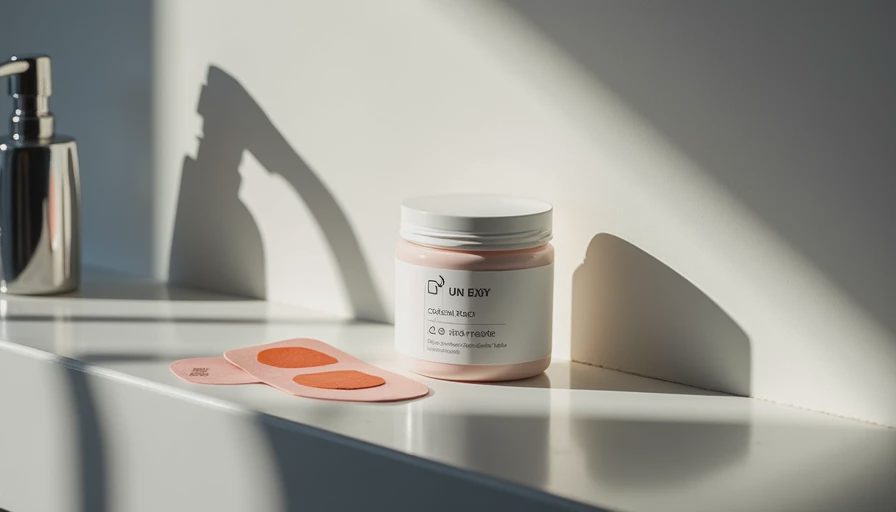
If you are deciding is white petrolatum safe for a particular purchase, start with the ingredient panel rather than the advertising copy. Look for petrolatum or white petrolatum near the top, and check whether the package identifies the product as USP or as an OTC skin protectant. A basic jar from a drugstore can be perfectly useful; a higher price does not automatically indicate better purification.
Next, scan for additions. Fragrance is unnecessary for barrier protection and can be irritating on cracked skin. Lanolin is helpful for some people but can cause sensitivity in others. “Medicated” products may contain active ingredients such as hydrocortisone or antibiotic compounds, which have different directions and limits. Do not use an antibiotic ointment simply because it feels more powerful.
Packaging matters too. A squeeze tube reduces repeated finger contact and is practical for travel. A wide jar costs less per ounce, but use clean hands or a small spatula each time. Discard a product if its smell, color, texture, or cleanliness changes noticeably.
Is white petrolatum safe for hair?
The answer to is white petrolatum safe for hair is usually yes, but safe does not mean ideal for every routine. Petrolatum coats the hair shaft and can reduce friction, which is why it sometimes appears in pomades, edge products, protective balms, and scalp ointments. It can make coarse or very dry hair feel smoother immediately.
The tradeoff is buildup. Petrolatum is not water-soluble, so a gentle co-wash may not remove it completely. Repeated applications can leave hair limp, greasy, or difficult to style. If you use it on the ends, start with an amount smaller than a pea for shoulder-length hair, warm it between your fingers, and apply only where needed. Avoid putting a thick layer over the entire scalp unless a clinician has directed you to do so.
For curls, petrolatum can seal in moisture after water or a water-based leave-in conditioner, but it cannot replace hydration. For fine hair, a lightweight silicone serum or a small amount of conditioner may provide slip without the same heaviness. Think of petrolatum as a sealant and protectant, not a growth treatment or a repair ingredient.
Who should use extra caution?
A person with acne-prone skin does not necessarily need to avoid petrolatum. Pure petrolatum is generally considered non-comedogenic, but an occlusive layer can hold sweat and other products against the face. If you notice clogged pores after using it, reserve it for lips, hands, elbows, or dry patches instead of applying it across the whole face.
Do not put cosmetic petrolatum deep inside the nose or inhale it. Repeated inhalation of oily substances can create a lung risk, so nasal dryness should be discussed with a medical professional. Keep jars away from heat and open flames, and remember that ointment can make fabric more flammable even though the product itself is not a liquid fuel.
For deep wounds, serious burns, infected skin, or a rash that keeps spreading, petrolatum is not a substitute for medical care. Seek advice when pain, swelling, pus, fever, or worsening redness appears. Patch testing a new product on a small area for a day is a sensible step if your skin is reactive.
A simple way to use it well
Start with clean, slightly damp skin. Apply a thin film to the area that needs protection, then wait a few minutes before adding clothing or makeup. On lips, a small swipe is enough. On hands, apply after washing and before bed, then consider cotton gloves if cracking is severe. For hair, smooth a trace over dry ends rather than rubbing a heavy coating into the roots.
Do not mix a jar with water, homemade ingredients, or wet fingers. Water introduced into a container can create a contamination problem. Use the original packaging, close the lid firmly, and follow the expiration date. If the label says “for external use only,” take that instruction literally.
So, is white petrolatum safe? For most skin and hair uses, purified white petrolatum is a dependable, inexpensive barrier ingredient with a long history of practical use. Choose a simple, reputable formula, use the smallest effective amount, and pay attention to how your own skin responds. Read the label before you buy the bottle.





No notes yet — write the first one.