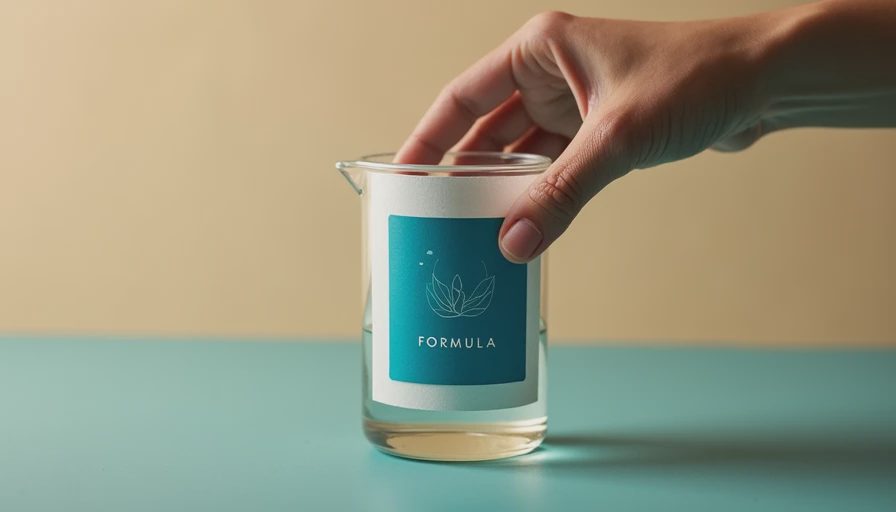
A few years ago, a friend handed me a bottle of shampoo and said, "This is the cleanest one I could find. Nothing synthetic."
I flipped it over. Read the ingredients. And handed it back.
"You know water is a chemical, right?" I said. "And the preservative in here is sodium benzoate. That occurs naturally in cranberries. It's also synthesized in a lab. There's no way to tell the difference."
She looked at me like I'd just told her the moon was made of cheese.
That moment stuck with me. Not because she was naive – but because she'd been taught to fear something she didn't understand. And honestly? I don't blame her. The beauty industry has spent billions making sure you're afraid of the wrong things.
Let's start with a confession.
I've formulated with natural ingredients. I've formulated with synthetic ones. I've made beautiful, effective products using both. And I've seen terrible formulations that were "100% natural" and terrible ones that were "lab-created."
The source of an ingredient tells you almost nothing about how it will perform on your hair.
Here's a thought experiment. You're in the kitchen, making soup. One recipe uses only organic vegetables. The other uses some conventional vegetables and a few powdered spices. Which soup is healthier?
You can't answer that without knowing the actual ingredients, right? A soup made entirely from organic vegetables can be bland, overcooked, and nutritionally empty. A soup with some conventional ingredients and well-balanced spices can be delicious and nourishing.
Hair care is exactly the same. The "natural vs. synthetic" debate is a distraction. It's a story brands tell you so you don't ask the real question:
The question nobody asks
"Is this ingredient right for my hair – right now?"
Because that's what actually matters. Not whether it came from a plant or a lab. Not whether it has a long, scary-sounding name or a short, familiar one.
I've seen "all-natural" shampoos leave hair drier than the desert. I've watched carefully formulated synthetic blends bring bleach-damaged, brittle hair back to life.
And I've seen plenty of people break out in rashes from "pure, natural" essential oils – while applying synthetic dimethicone to their face every morning without a single problem.
Let's talk about what "natural" actually means.
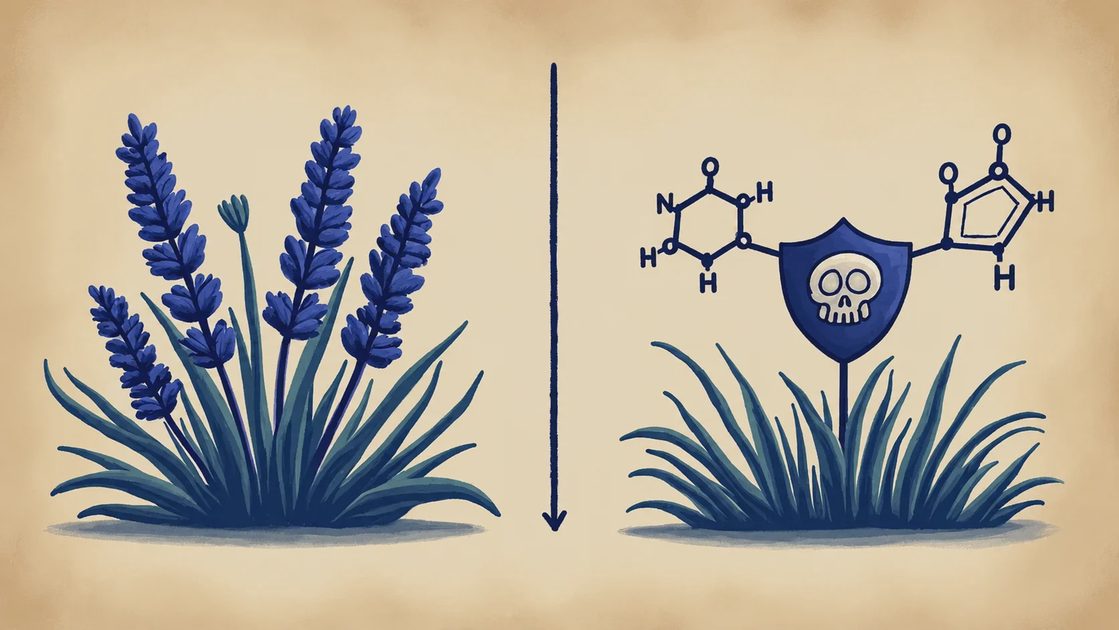
Here's the uncomfortable truth: under FDA regulations, there is no legal definition of "natural" in cosmetics. The same is true under China's cosmetic regulations and the EU Cosmetics Regulation.
Any brand can put "natural" on the bottle. There's no minimum percentage required. There's no third-party verification mandated. It's essentially unregulated marketing language.
In practice, when brands say "natural," they usually mean one of two things:
Meaning 1: The ingredient occurs in nature.
Water is natural. Salt is natural. Coconut oil is natural. So is arsenic. So is poison ivy. Source ≠ safety.
Meaning 2: The ingredient was minimally processed.
Aloe vera juice is pressed from the leaf. Shea butter is extracted from nuts. Essential oils are steam-distilled from plants.
But here's where it gets interesting: many ingredients exist naturally AND are also synthesized in labs – and they're chemically identical.
Vitamin C from oranges is the same molecule as vitamin C made in a lab. Hyaluronic acid from your body is the same as the stuff produced via bacterial fermentation. Glycerin from plant oils is chemically identical to the synthetic version.
Your hair can't tell the difference. Because there is no difference.
Now let's talk about the thing you're afraid of.
"Synthetic" doesn't mean "toxic." It means "manufactured."
When I formulate a shampoo, I often reach for synthetic glycerin instead of plant-derived glycerin. The molecules are identical. But the synthetic version is more consistent, doesn't vary batch to batch, and costs less. That means I can deliver the same performance to you every single time.
Some of the safest, most well-studied ingredients in your bathroom are synthetic.
Dimethicone – used in cosmetics for decades. Non-irritating. Non-sensitizing. Safe enough for baby diaper creams.
Phenoxyethanol – a synthetic preservative with an excellent safety profile. Used globally in infant care products.
Synthetic sodium hyaluronate – used in medical settings for wound healing and eye surgery.
Panthenol – synthetic vitamin B5. Used in burn ointments. Safe enough to apply to open wounds.
And some of the most dangerous things you can put on your hair are completely natural.
Essential oils can cause phototoxicity, sensitization, and chemical burns when used improperly. Lavender oil is natural – I wouldn't apply it undiluted to my scalp.
Natural nut oils can trigger severe allergic reactions.
Coconut oil – a beloved natural ingredient – can cause breakouts on sensitive skin and actually worsen protein loss in damaged hair.
The word "natural" has no relationship to "safe." The word "synthetic" has no relationship to "dangerous."
A quick story from the lab.
Years ago, I worked on a "natural" conditioner that used only plant-derived ingredients. It was a nightmare to stabilize. Within three months, the product started separating. The oils oxidized and started smelling rancid. The batch had to be thrown out – thousands of dollars, down the drain.
We reformulated. We kept the natural oils but added a small amount of synthetic preservative and a synthetic emulsifier. The product became stable. It lasted on shelves for two years. It smelled fresh until the last drop.
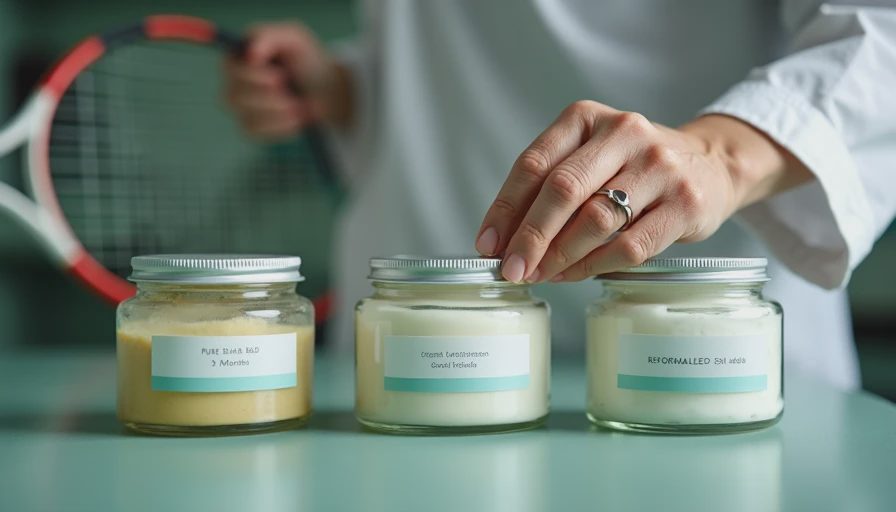
Was the second version "less natural"? Yes, technically.
Was it a better product? Absolutely. The consumer got a product that actually worked, lasted, and didn't spoil.
So what do I actually recommend?
I'm not anti-natural. I'm not pro-synthetic. I'm pro-whatever-works-for-your-hair.
Here's what I actually want you to do when you're standing in the aisle:
First, ignore the front of the bottle.
The front is marketing. "Natural." "Clean." "Pure." "Chemical-free." (There's no such thing as chemical-free – water is a chemical.)
Second, flip it over and read the first five ingredients.
That's where the real formula lives. Is there a cleanser that's appropriate for your hair type? Is there a conditioning agent to balance it? Yes? Good. The source of those ingredients is secondary.
Third, be suspicious of anything that makes big claims.
If the front says "Infused with Argan Oil" but the ingredient list shows Argan Oil after fragrance – it's a trace addition. You're buying marketing, not performance.
Read the label before you buy the bottle.


No notes yet — write the first one.