If I had a dollar for every time someone asked me about keratin, I'd have retired years ago.
The questions come in all shapes:
"Does keratin really repair damaged hair?"
"Is a keratin treatment worth the money?"
"I used a keratin shampoo and my hair felt worse – what went wrong?"
The short answer is: it depends on what you mean by "keratin."
Because here's the uncomfortable truth: the word "keratin" on a bottle and the word "keratin" at a salon counter refer to two completely different things. One is a temporary conditioning ingredient. The other is a chemical service that reshapes your hair's internal bonds.
Confusing them is expensive – and damaging.
What Is Keratin, Actually?
Keratin is the fibrous protein your hair is made of – about 65–95% of your hair, depending on its condition.
When you damage your hair (bleach, heat, chemicals), you break some of those protein chains. The rope frays.
Hydrolysed keratin in shampoos and conditioners is keratin that's been chopped into tiny fragments. Why? Because full-sized keratin molecules are too large to do anything useful. Only when broken down can they temporarily bind to your hair and fill gaps in the cuticle.
What Keratin Can Do
Effect | What It Means |
|---|---|
Cuticle smoothing | Fills rough, lifted areas – like spackle on a cracked wall. Hair feels softer and looks shinier. |
Reduced porosity spikes | Patches holes in highly porous hair, slowing down moisture loss. |
Subtle strength boost | Lab tests show 10–15% improvement in tensile strength – noticeable but not miraculous. |
What Keratin Can't Do
1. It Cannot Rebuild Your Hair's Core
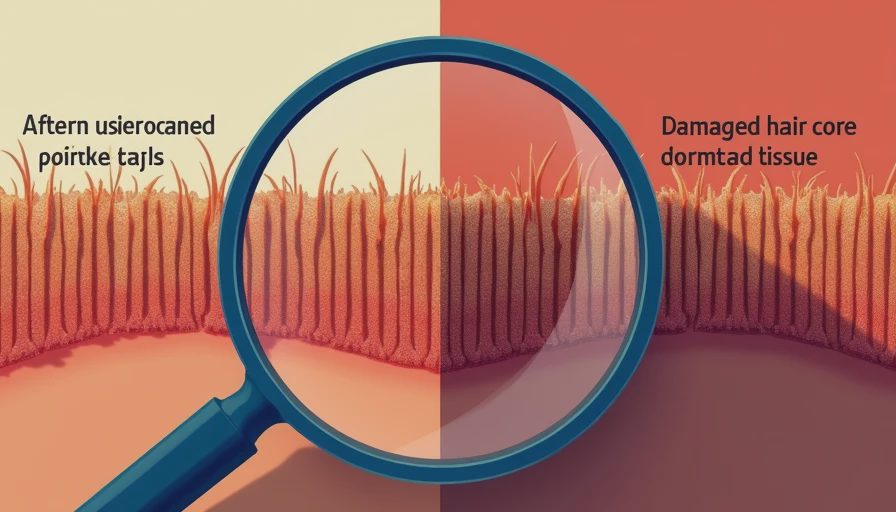
Your hair is dead tissue. It doesn't heal. Once internal bonds are broken, no topical product can permanently repair them. Hydrolysed keratin is a cosmetic bandage, not a surgical stitch.
2. Salon "Keratin Treatments" Are Not the Same
When a salon offers a keratin treatment that leaves your hair straight for months – that's a chemical straightening service, not a conditioning treatment.
It uses:
Hydrolysed keratin (as a carrier)
High heat (400°F+ flat iron)
Chemicals (formaldehyde, glyoxylic acid, or similar aldehydes)
The heat and chemicals break and rearrange your hair's disulfide bonds. The keratin is just along for the ride. Yes, the smoothing is real – but so is the cumulative damage risk.
3. It Cannot Replace Moisture
Keratin is protein. Too much protein without enough moisture makes hair stiff, brittle, and prone to snapping. You need both.
How to Read a Label for Keratin
What You See | What It Means |
|---|---|
Hydrolysed Keratin | Standard, effective, surface-level repair. Works temporarily. Safe in moderation. |
Keratin Amino Acids | Even smaller fragments. Penetrate slightly deeper, rinse out faster. Good for daily use. |
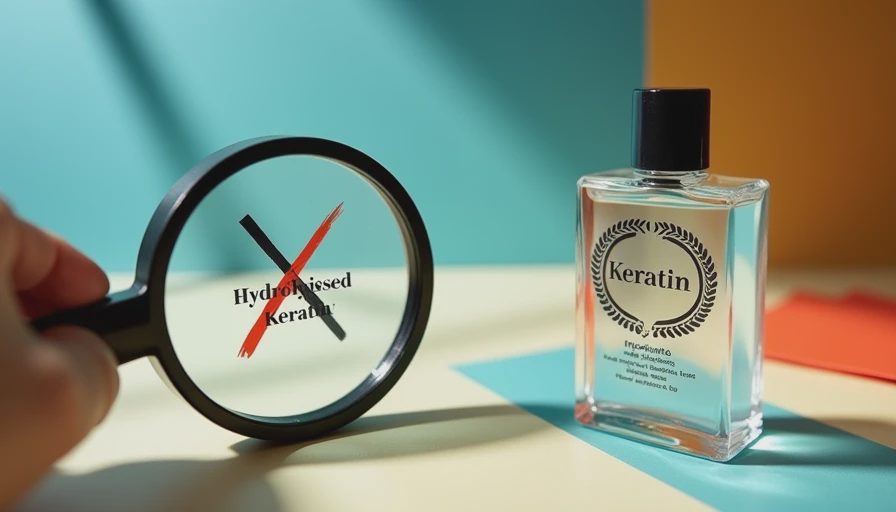
Just "Keratin" (no "hydrolysed") | Molecules are too big to do anything. Marketing theatre. |
Who Should Use Keratin – and Who Shouldn't?
Your Hair | Recommendation |
|---|---|
Damaged, bleached, heat-styled | Yes. Helps smooth the cuticle and reduce further breakage. |
High-porosity | Yes. Fills gaps, slows moisture loss. |
Fine, limp, low-porosity | Use sparingly. Too much stiffens and weighs down. Stick to one product. |
Curly / coily | Use strategically. Alternate protein with moisture-only masks. |
Already stiff, brittle, "crunchy" | Stop. That's protein overload. Use protein-free moisture masks for 3–4 washes. |
Healthy, virgin hair | Skip it. If nothing's broken, you don't need repair. |
My Final Take
Keratin is not a miracle. But it's also not a scam.
It's a legitimate conditioning ingredient that can make a meaningful difference to damaged or porous hair – if you keep your expectations in check.
The salon keratin treatment is a completely different animal. It can be transformative – but it can also cause damage. If you're considering one, understand the aftercare and the chemicals involved.
And please: don't buy a shampoo just because it has "keratin" in big letters on the front. Flip it over. Read the full list. Check where the keratin appears. Look at what else is in the bottle.
Your hair doesn't need every trending ingredient.
It needs the right ingredient, in the right amount, at the right time.
Read the label before you buy the bottle.





No notes yet — write the first one.