I have a problem.
I can't stop reading labels. Not just on shampoo bottles. On everything. Cereal boxes. Salad dressing. Dish soap. The random jar of pickles my friend hands me at a dinner party.
It's not a choice anymore. It's a compulsion.
My sister finds it embarrassing. She'll be halfway through a conversation with me at the supermarket and realise I've stopped listening because I'm too busy decoding the ingredient list on a bag of frozen peas. She once told me, "You know you're not going to buy that, right?" And I said, "I know. But I need to know what's in it."
This is what eight years in a lab does to a person.
The First Thing You Should Know
When I read a label, I'm not looking for "bad" ingredients. I'm looking for what the product actually is.
Most people look for things to avoid. Sugar. Sodium. Sulfates. Parabens. I look for what's doing the real work.
Take a box of cereal. Flip it over. The first ingredient is almost always whole grain or corn or rice. That's the base. That's what you're actually eating. The sugar that's advertised on the front? It might be the second or third ingredient. Or it might be the fourth. But if it's in the top three, that cereal is sugar with a little grain mixed in.
Same rule as shampoo: the first five ingredients define the product. Everything else is polish.
What's in My Shopping Cart
I should show you what I actually buy. Not because I'm a role model – I'm not. But because my cart probably looks different from yours. And the reason is entirely about labels.
Pasta sauce. I read the ingredient list. If sugar is in the top three, I put it back. Tomatoes already have natural sugar. If the manufacturer added more, it's because the tomatoes weren't good enough to stand on their own. That's not a sauce I want.
Canned beans. I check for sodium. But I also check for anything that isn't beans, water, and salt. If there's "calcium chloride" or "disodium EDTA" in the list, it's fine – those are stabilisers. But if there's sugar? No.
Yogurt. The ingredient list should say: milk, live cultures. That's it. If there's sugar, cornstarch, or gelatin? That's not yogurt. That's dessert pretending to be yogurt.
Bread. If the first ingredient is "enriched wheat flour," that's not whole grain. If there's high fructose corn syrup anywhere on the list, that's not bread I want.
I don't avoid these things because I'm a health nut. I avoid them because I know how products are made. When a manufacturer adds sugar to tomato sauce, it's not because it tastes better. It's because it's cheaper to mask mediocre ingredients than to use good ones.
The Shampoo Aisle Problem
Here's where this gets relevant to you.
When I walk down the shampoo aisle, I see the same pattern. The front label shouts something impressive: "Keratin-Infused." "Argan Oil." "Natural."
I flip it over. I read the first five ingredients. And more often than not, the "hero" ingredient is nowhere near the top. It's sitting near the bottom, past the preservatives, past the fragrance. Added in a concentration so low it's practically homeopathic.
The same logic applies. If a product is marketed as something specific, the ingredient that defines it should be in the first five. If it's not, you're paying for marketing, not performance.
I told this to my sister once. She looked at me and said, "You read shampoo labels the way other people read gossip columns."
She wasn't wrong.
The Hardest Label to Read
You want to know what the hardest label to read is?
Wine. Because the ingredient list is usually just "Contains Sulfites." That's it. That tells you nothing.
I spent an entire dinner party once trying to figure out what was actually in a bottle of natural wine. The winemaker's website said "minimal intervention." But what does that mean? No added sulfites? Native yeast? No filtration? These are all choices that affect the final product. But the label doesn't tell you.
I ended up sending the winemaker an email. My friends thought I was insane. I thought I was just being thorough.
This is what I mean when I say I have a problem.
A Formulator's Grocery List (What I Actually Buy)
Here's a snapshot of my actual grocery list. Not because it's perfect – because it reflects what I've learned from reading thousands of labels.

Item | What I Look For | Why |
|---|---|---|
Pasta sauce | Tomatoes, olive oil, salt. No sugar. | Sugar hides bad tomatoes. |
Bread | Whole grain as first ingredient. No HFCS. | "Enriched" isn't whole. |
Yogurt | Milk, cultures. That's it. | Everything else is unnecessary. |
Canned beans | Beans, water, salt. | No sugar. No unnecessary stabilisers. |
Shampoo | First five ingredients match my hair's needs. | The rest is polish. |
And yes, I do buy the occasional box of sugary cereal. I'm not a saint. But I buy it knowing exactly what I'm buying. Because I read the label.
My Final Take
You don't need to be a formulation chemist to read a label. You just need to know one thing: the first five ingredients define the product.
Cereal. Sauce. Yogurt. Shampoo. Conditioner.
It's all the same. The label tells you what the product actually is. The front of the bottle tells you what they want you to believe.
The choice is yours. You can believe the marketing. Or you can believe the ingredient list.
I know which one I trust.
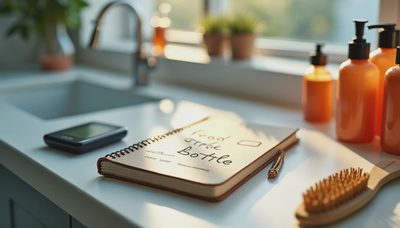
Read the label before you buy the bottle.
No notes yet — write the first one.