I was nineteen years old. It was the summer before my sophomore year of college. And I walked into a cheap salon near campus with a picture of Gisele Bündchen and walked out looking like a startled mushroom.
I don't remember the haircut itself. I remember the feeling of standing in front of my dorm room mirror, turning my head left, then right, then left again, hoping that somehow the angle would change what I was seeing. It didn't. The haircut was bad. Not "I'll get used to it" bad. "I need to wear a hat for the next six months" bad.
But here's the part I remember most clearly: I blamed the wrong thing.
I didn't blame the stylist. I didn't blame the bad lighting, the cheap scissors, or the fact that I'd gone to a place that charged twenty dollars for a haircut. I blamed the ingredients in my shampoo.
The Ingredient I Hated
Three years later, I was working in a lab, writing formulas for a hair care brand. I had a lot of opinions about ingredients back then. I was twenty-two, fresh out of college, and convinced that I understood everything. And the ingredient I hated most was dimethicone.
I blamed it for everything. My hair was flat? Dimethicone. My style didn't hold? Dimethicone. My bad haircut from three years ago? Definitely dimethicone.
I would stand in the aisle at the drugstore, pick up a bottle of conditioner, see "Dimethicone" on the label, and put it back with a sense of righteous disgust. I knew better. I was a future formulator. I was not going to let Big Silicone ruin my hair.
The irony is that I was completely wrong.
What I Actually Learned
When I started actually writing formulas, I learned three things about dimethicone that I wish I'd known at nineteen.
First: dimethicone doesn't make your hair flat. It smooths the cuticle. If you have fine hair and use too much, it can weigh you down. But that's a dosage issue, not a fundamental flaw in the ingredient.
Second: the haircut I was so upset about wasn't ruined by dimethicone. It was ruined by a stylist who didn't listen to what I wanted and didn't have the skills to give me what I asked for. No shampoo could have fixed that.
Third: I'd been avoiding a perfectly good ingredient for three years for no reason. And I wasn't alone. I'd convinced myself that I was being smart, but I was just following a trend.
The Deeper Pattern
Here's what I eventually understood.
When you have a bad experience with your hair – a bad cut, a bad colour, a bad product – there's a powerful urge to find a single thing to blame. It's comforting. It's simple. And it lets you feel like you're in control.
If I could just avoid this one ingredient, my hair would be perfect. If I could just find the right product, the bad haircut would be undone. If I just understood the science, I could prevent this from ever happening again.
But that's not how hair works.
A bad haircut is a bad haircut. No product can fix that. Not because there's anything wrong with products – but because products can't bring back what's already been cut away. What they can do is make the grown-out process more manageable.
The hardest lesson I learned in those early years was this: sometimes you just have to wait.
Wait for it to grow out. Wait for the damage to pass. Wait until you can find a stylist who actually listens.
What I'd Tell Nineteen-Year-Old Me
If I could sit down with my nineteen-year-old self, I wouldn't tell her to stop caring. I'd tell her to care about the right things.
Read the label – but don't just scan for one ingredient. Read the full list. Understand the formula. Look for what's actually doing the work.
Don't blame one ingredient – most products are a combination. One ingredient doesn't ruin your hair. But a pattern of using the wrong products for your hair type can.
Get a better haircut – and I mean that literally. The cheapest salon isn't always the worst, and the most expensive isn't always the best. But a good haircut from someone who listens is worth every dollar.
Be patient – the most effective product in the world can't fix a bad cut. But good ingredients can help your hair stay healthy while you wait.
What I Use Now
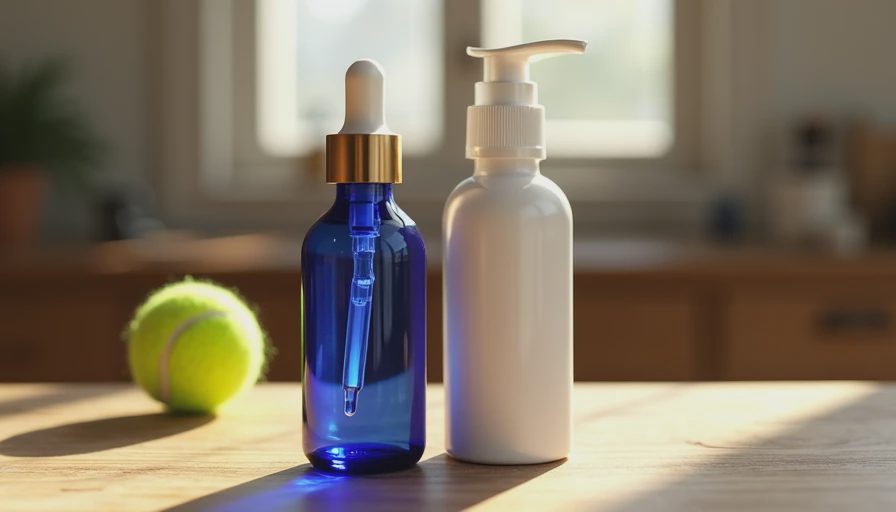
Today, I use dimethicone in my routine. Not because I'm trying to prove a point, but because it works. A lightweight serum with dimethicone helps my fine hair stay smooth and shiny without weighing it down. I'm no longer afraid of the ingredient.
But I also use a clarifying shampoo once a month to prevent buildup. Because reading the label isn't about banning ingredients. It's about understanding them.
Read the label before you buy the bottle.


No notes yet — write the first one.