Using glycerin as a moisturizer sounds simple because glycerin is a familiar ingredient with a very straightforward job: it attracts water. In a well-built formula, that can make skin feel softer and hair feel less brittle. But a bottle of pure glycerin is not automatically a complete moisturizer, and it is not always the right choice for every climate, hair type, or routine. I want to show you how to read this ingredient the way a formulator does, without turning a basic humectant into a beauty emergency.
What glycerin actually does
Glycerin, also called glycerol, is a humectant. Humectants help hold water near the surface of skin or within the hair fiber. They do not behave like petrolatum, mineral oil, or a silicone, which primarily reduce water loss by creating a more protective layer. That distinction matters. A humectant brings water into the conversation; an occlusive helps keep it from leaving too quickly.
This is why using glycerin as a moisturizer usually works best inside a finished product containing several ingredient families. A lotion might combine glycerin with water, fatty alcohols, oils, and an occlusive. A leave-in conditioner might pair it with water, conditioning agents, and film-formers. The formula gives glycerin a moist environment and provides the support it cannot provide alone.
On an ingredient label, glycerin may appear near the top because it is commonly used at meaningful levels. Seeing it high on the list is not a quality warning. It simply tells you that the product is designed to use glycerin as one of its water-binding ingredients.
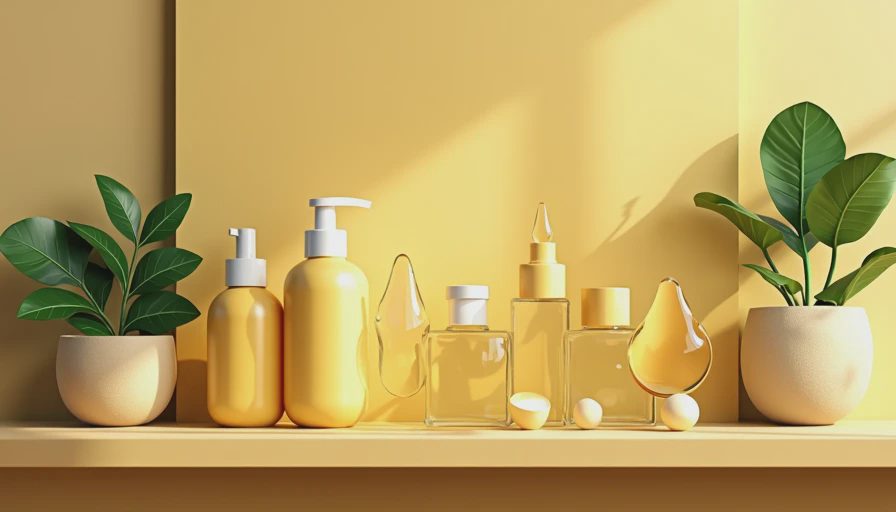
Using glycerin as a moisturizer on skin
For skin, glycerin can be especially useful in a cleanser, serum, cream, or body lotion intended for dryness. A glycerin-rich product often gives an immediate smooth, slightly hydrated feel because the outermost layer of skin has more available water. The most practical application is to use it on slightly damp skin, then follow with a cream or lotion if your skin feels tight.
I would not generally recommend rubbing undiluted cosmetic glycerin over your face and calling the job finished. Pure glycerin is thick and sticky, and its texture is unpleasant for many people. More importantly, it does not contain the emollients and occlusives that help support the skin barrier. A finished product is easier to spread, easier to preserve, and usually more comfortable for everyday use.
If you have sensitive skin, introduce one product at a time. Fragrance, essential oils, exfoliating acids, or preservatives may be the source of irritation rather than glycerin itself. Apply a small amount to an inconspicuous area first, particularly if you are using a DIY mixture.
Using glycerin as a moisturizer for hair
Hair does not have living skin cells at the shaft, so “moisturizing” hair means improving water content, flexibility, lubrication, and feel. Using glycerin as a moisturizer can help curls, coils, and dry lengths feel softer when the rest of the conditioner supports the result. Look for glycerin in leave-in conditioners, curl creams, masks, and styling products rather than judging the ingredient in isolation.
Climate changes the experience. In humid weather, glycerin can attract water from the surrounding air, which may make textured hair feel softer and more flexible. It can also contribute to swelling, frizz, or a change in curl definition for some people. In very dry air, there is less moisture available in the environment, so a glycerin-heavy product may not feel as helpful unless it is paired with conditioning agents and a film-former.
That does not mean glycerin is “bad for curly hair.” It means the whole formula and your local weather matter. I have seen people blame one humectant for a result caused by a combination of dry air, insufficient conditioner, and heavy handling after styling. Read the label before you blame the bottle.
How to read the formula around glycerin
The ingredient list gives you more information than the front label. Water is often first, followed by ingredients such as glycerin, propanediol, sorbitol, or betaine. These are all humectant-style ingredients, but they do not feel identical. Propanediol can provide a lighter slip, while glycerin may feel more cushiony or tacky depending on the amount and the rest of the formula.
For a hair product, also look for conditioning ingredients such as behentrimonium chloride, behentrimonium methosulfate, cetrimonium chloride, or fatty alcohols including cetyl alcohol and stearyl alcohol. These are not the same as drying alcohols such as alcohol denat. or ethanol. A cream with glycerin plus conditioning agents will usually perform more predictably than a watery product built around glycerin alone.
For skin, ingredients such as dimethicone, petrolatum, squalane, shea butter, and plant oils can add emollience or reduce water loss. You do not need every category in one product, but you should understand what the formula is trying to accomplish. Using glycerin as a moisturizer is most successful when the formula balances water attraction with comfort and barrier support.
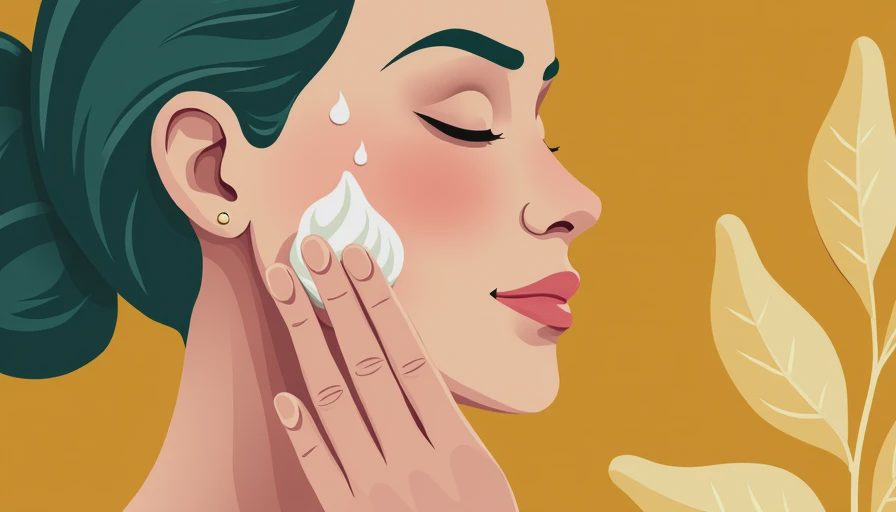
A practical way to use it
Start with a product made for the area you want to treat. For skin, apply a glycerin-containing lotion after bathing while the skin is still slightly damp. For hair, distribute a leave-in conditioner through clean, damp lengths, concentrating on the driest areas. Use enough to coat the hair lightly, not enough to leave a sticky film.
If you are experimenting with a diluted glycerin spray, keep the mixture small and clean. Water-based DIY products can become contaminated because they lack the preservation system used in commercial cosmetics. Do not store a homemade spray for weeks in the bathroom. Make a small amount, use it promptly, and discard it if the smell, color, or texture changes.
Watch the result for several uses instead of judging one application. Skin that feels comfortable, supple, and calm is giving you useful feedback. Hair that detangles more easily and maintains its shape is also giving you useful feedback. If the result is tacky, stiff, frizzy, or tight, reduce the amount or switch to a formula with more emollients and film-formers.
Common mistakes and the better alternative
The first mistake is assuming that more glycerin means more hydration. More is not automatically better; excessive tack can make a product unpleasant and encourage overapplication. The second mistake is using a raw ingredient without considering preservation or compatibility. Cosmetic ingredients are designed to work within formulas, not necessarily as stand-alone products.
Another mistake is copying a routine from someone in a completely different climate. A glycerin-rich curl cream that works beautifully in coastal humidity may feel different during a dry winter. Keep the product the same at first, then adjust your amount, layering, or final styling product before abandoning the ingredient altogether.
If your hair is damaged, glycerin cannot repair broken keratin or restore split ends permanently. It can improve feel and manageability, while conditioning agents, gentle handling, and trimming address other parts of the problem. If skin is persistently painful, cracked, inflamed, or itchy, a moisturizer alone may not be enough; a dermatologist can help identify the cause.
The formula-level answer
Using glycerin as a moisturizer is neither a miracle shortcut nor a pointless trend. It is a useful formulation strategy built around water binding. The best results come from matching the ingredient to a complete product, applying that product to slightly damp skin or hair, and paying attention to climate and texture.
When I read a label, I ask three questions: Where does glycerin appear? What ingredients surround it? What does the finished product need to do after glycerin attracts water? Those questions are more useful than declaring an ingredient universally good or bad. Read the label before you buy the bottle, then let your own skin and hair provide the final test.





No notes yet — write the first one.