The oil cleansing method jojoba has become popular because it sounds simple: massage a lightweight oil onto the face, then remove it with warmth and a cloth. Simple does not mean every bottle or technique is equally useful, though. After years of reading cosmetic labels and building formulas, I look at jojoba as a practical cleansing ingredient, not a miracle cure. The right product, amount, and rinse method matter more than a catchy routine name.
Why jojoba works differently from many facial oils
Jojoba is technically a liquid wax ester rather than a conventional triglyceride oil. That distinction sounds academic, but it explains its pleasant skin feel and relatively long shelf stability. Its composition has some similarities to the waxy lipids naturally found on the surface of skin, so it can spread smoothly without feeling as heavy as olive, coconut, or avocado oil.
In the oil cleansing method jojoba, the oil helps loosen sunscreen, foundation, sebum, and other oil-soluble residue. Water alone is not especially good at dissolving oily materials. A massage gives the oil time to contact that residue, while a warm damp cloth physically lifts much of it away. This is cleansing by solubility and gentle removal, not by “pulling toxins” from pores.
Pure jojoba is also a fairly short ingredient list: usually Simmondsia chinensis seed oil, sometimes followed by tocopherol, the label name for vitamin E. A formula can include jojoba alongside emulsifiers, fragrance, botanical extracts, or other oils. Those additions are not automatically bad, but they change the product you are evaluating. Read the label before you buy the bottle.

How to perform the oil cleansing method jojoba
Start with dry hands and a dry face. Use roughly half a teaspoon of jojoba, or enough to create slip without leaving your skin dripping. Rub it between your palms, then press and massage it over the forehead, cheeks, nose, jaw, and around the hairline. Keep pressure light, particularly around the eyes. Two minutes is plenty; longer massage is not automatically better.
For makeup or water-resistant sunscreen, hold clean, oil-dampened fingers over the area for several seconds before gently wiping. Do not scrub mascara back and forth across the lashes. A soft microfiber, muslin, or cotton washcloth dampened with comfortably warm water can remove the loosened residue. Rinse the cloth repeatedly rather than dragging a dirty section over your face.
The oil cleansing method jojoba can end there if your skin feels clean and comfortable. If you dislike a residual film, follow with a mild water-based cleanser. This second step is often called double cleansing. Choose a cleanser that leaves skin flexible rather than squeaky, because that tight sensation usually signals that too much surface oil has been removed.
A useful evening sequence is makeup remover only where needed, jojoba massage, cloth removal, optional gentle cleanser, and moisturizer. In the morning, most people do not need to repeat the full oil routine. A splash of water or a mild cleanser may be enough.
Choosing a jojoba product by reading the label
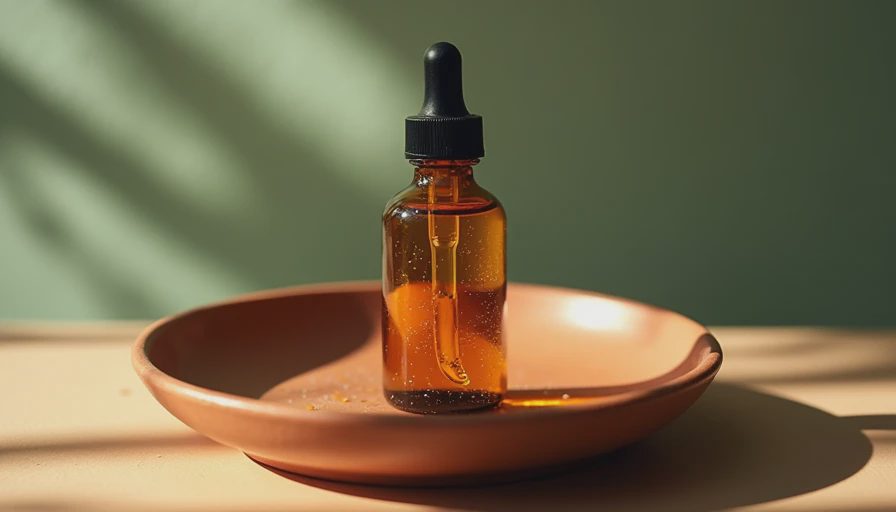
The simplest choice is a product labeled 100 percent jojoba oil with Simmondsia chinensis seed oil as the only listed ingredient. Golden jojoba is not necessarily more nourishing than clear jojoba; color often reflects refining and processing, not a guaranteed performance advantage. Look for packaging that protects the oil from excessive heat and light, and avoid a bottle with a rancid, crayon-like smell.
Blended cleansing oils can work very well because they often contain an emulsifier. When water is added, an emulsifier helps the oil disperse into a milky mixture that rinses more cleanly. On an ingredient list, you might see ingredients such as Polysorbate 80 or PEG-20 Glyceryl Triisostearate. These names are not red flags by themselves. They are functional ingredients that help oil and water cooperate.
Fragrance deserves a closer look. Essential oils such as citrus, peppermint, tea tree, or lavender can make a product smell appealing, but fragrance can bother sensitive or reactive skin. “Natural” describes an origin, not a guarantee of gentleness. If your skin is easily irritated, select an unscented formula and keep the rest of your routine boring while you test it.
Who should use caution with this routine
The oil cleansing method jojoba may suit normal, dry, or combination skin that tolerates richer textures. It is not a required treatment for acne, eczema, rosacea, or any other skin condition. If you have active irritation, a damaged barrier, or a history of reactions to botanical products, introduce one change at a time and stop if burning, swelling, or persistent redness appears.
Patch testing is practical. Apply a small amount behind the ear or along the jaw on several occasions, then observe how the area behaves. A patch test cannot predict every facial reaction, but it can reveal obvious sensitivity before you cover your entire face. Avoid putting oil into the eye itself, and wash with clean water if that happens.
People with very oily or congestion-prone skin sometimes find a heavy oil film uncomfortable. That does not prove jojoba is clogging pores; it may simply mean the quantity is too high or the removal step is incomplete. Reduce the amount, use a clean cloth, or add a gentle second cleanser. If bumps continue, pause the routine instead of adding more exfoliating acids to compensate.
Common mistakes I see in the oil cleansing method jojoba
The first mistake is treating more product as more effective. A teaspoon often leaves unnecessary residue. The second is using very hot water. Heat can feel satisfying, but it can also worsen dryness and redness. Warm water and a soft cloth provide enough mechanical help without turning cleansing into a facial steam treatment.
Another mistake is assuming that every oil cleanser is interchangeable with pure jojoba. A ready-made cleanser may be designed to emulsify and rinse away, while a single-ingredient oil usually needs a cloth or follow-up cleanser. Neither option is automatically superior. The correct choice depends on whether you prefer a clean rinse, a cushioned finish, or the shortest ingredient list.
Finally, do not judge the routine after one night. Check whether makeup comes off, whether your skin feels comfortable ten minutes later, and whether new irritation appears over the next week. Keep the rest of your products stable so you can identify the cause of a problem.
A sensible way to test the routine
For the first week, use the oil cleansing method jojoba only at night, three times rather than every day. Record the product name, amount, removal method, and how your skin feels afterward. If your face feels comfortable, increase frequency only if you actually need it. There is no prize for adding another step to a routine that already works.
If you wear long-wear makeup, compare a pure jojoba product with an emulsifying cleansing oil on separate nights. Notice how much cloth rubbing each requires and whether either leaves a film around the nose or hairline. Those observations are more useful than a label promising “detox,” “pore vacuum,” or “chemical-free” results; all cosmetics are made of chemicals, including water.
My practical recommendation is to begin with a small, unscented bottle and a clean, soft cloth. Use a modest amount, keep the massage gentle, and follow with a mild cleanser when needed. The oil cleansing method jojoba can be a comfortable, low-drama option, but the label and your skin’s response should make the final decision. Read the label before you buy the bottle.




No notes yet — write the first one.